
Insight
Rock Beds vs. Mulch Beds: What’s Better for Texas Yards?
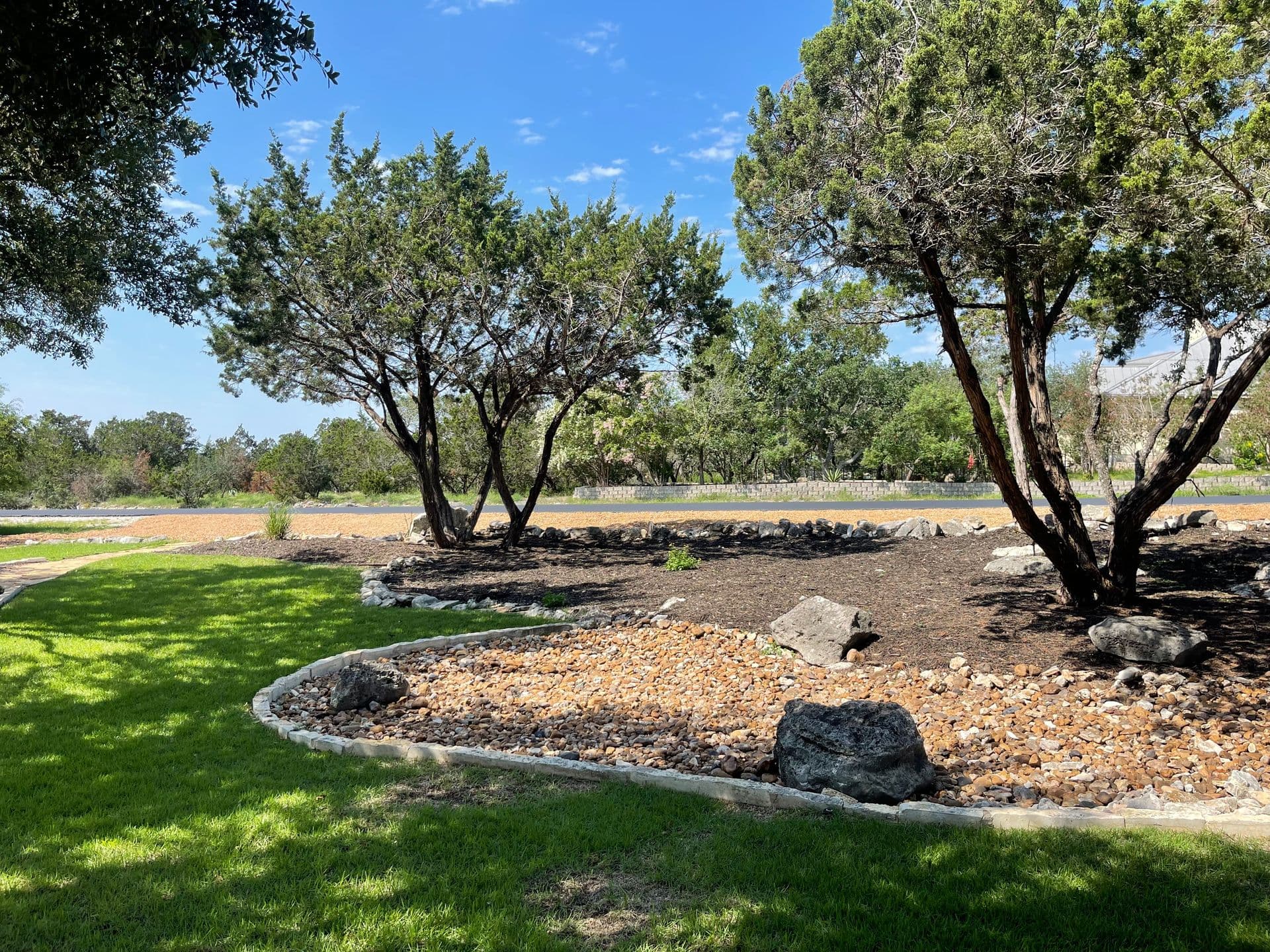
In South Texas, landscaping isn't just about aesthetics—it's about survival. Between the scorching San Antonio summers, unpredictable freezes, and periodic drought restrictions, the ground cover you choose plays a massive role in the health of your plants and the maintenance of your property.
At Canopy Land Solutions, we get asked constantly: "Should I use rock or mulch?"
The answer depends on your budget, your aesthetic preference, and how much time you want to spend working in your yard. Here is the honest breakdown of rock versus mulch for San Antonio landscapes.
The Case for Mulch: The Plant Health Hero
Organic mulch (specifically native hardwood mulch) is the traditional choice for a reason. It acts as a blanket for your soil.
The Pros:
- Moisture Retention: In August, when rain is scarce, mulch holds moisture in the soil longer than bare ground or rock. This is critical for keeping plants alive during water restrictions.
- Soil Health: As mulch decomposes, it adds organic nutrients back into our heavy clay or rocky soils, improving soil structure over time.
- Temperature Control: Mulch insulates roots, keeping the soil cooler in summer and warmer in winter.
The Cons:
- Maintenance: Mulch fades and breaks down. You will need to top it off once or twice a year to keep it looking fresh.
- Pests: Improperly applied mulch (too thick or piled against a foundation) can harbor insects.
- Erosion: In heavy San Antonio downpours, lighter mulches can wash away.
The Case for Rock: The Low-Maintenance Modernist
River rock, granite, and limestone gravel are staples of the modern, drought-tolerant Texas landscape (xeriscape).
The Pros:
- Longevity: Rock doesn't decompose. Once you buy it and install it, it’s there for good. It’s a "one-and-done" investment.
- Drainage: Rock beds allow water to reach the soil quickly and don't absorb water themselves, making them excellent for areas with drainage issues.
- Aesthetics: Rock provides a clean, crisp contrast against architecture and greenery. It doesn't fade like dyed mulch.
The Cons:
- The Heat Factor: This is the biggest drawback in Texas. Rock absorbs solar radiation and radiates heat back up at the plants. Delicate tropicals will scorch in a rock bed.
- Upfront Cost: Rock is significantly more expensive to purchase and install than mulch due to weight and material costs.
- Debris: Leaves and acorns are harder to clean out of rock beds than mulch beds.
The Verdict: Which Wins in San Antonio?
It’s not strictly an either/or decision. The best landscapes often utilize both materials strategically.
When to Use Mulch:
Use mulch strictly around the root zones of trees, shrubs, and flowers. If you are planting anything non-native or water-sensitive, mulch is mandatory to keep the roots cool and moist.
When to Use Rock:
Use rock for pathways, borders, high-traffic areas, and drainage swales. It is also excellent for xeriscaping with tough native plants like Agave, Yucca, or Texas Sage that actually prefer the reflected heat and drier soil conditions.
Cost Comparison
- Short Term: Mulch is much cheaper to install.
- Long Term: Rock eventually pays for itself because you don't have to re-buy it every spring. The break-even point is usually around 3-4 years.
Ready to Upgrade Your Landscape?
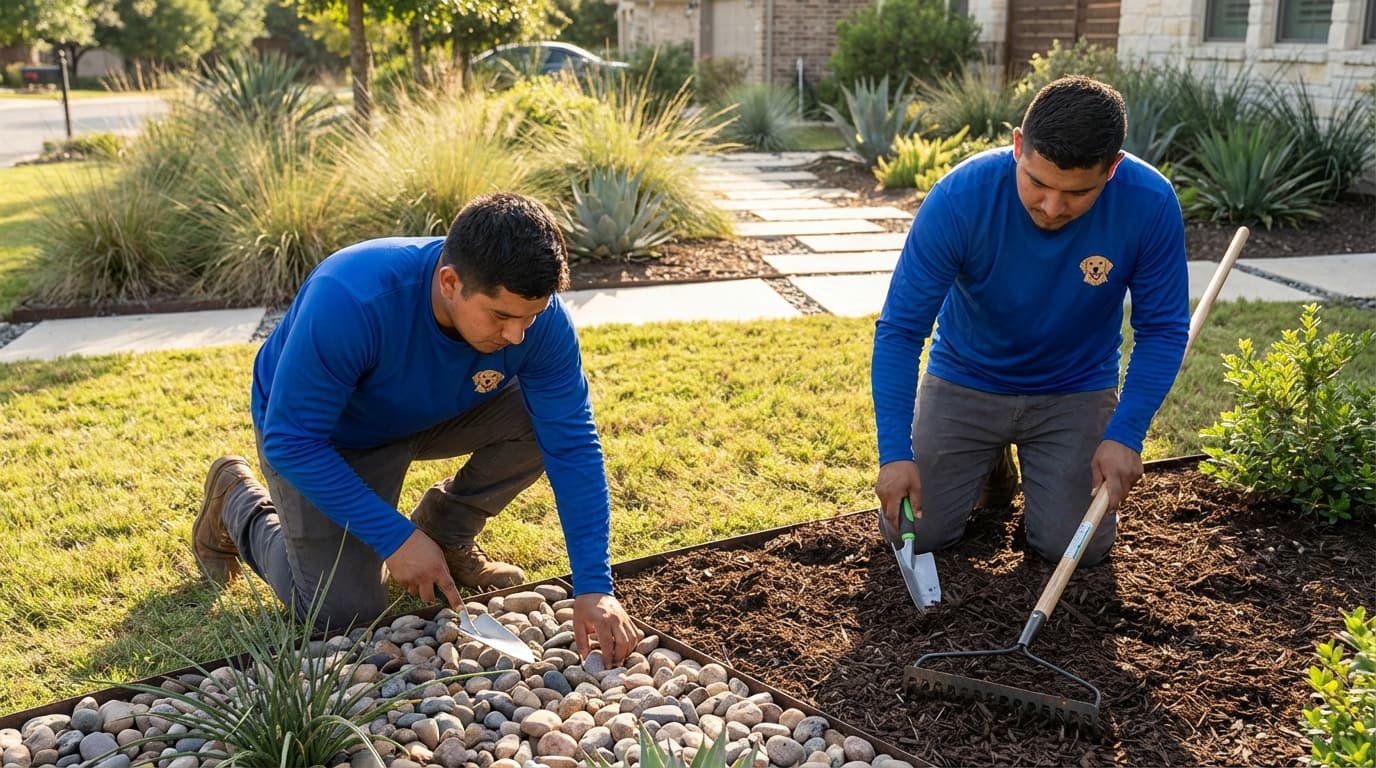
Whether you want the organic benefits of mulch or the sleek permanence of river rock, proper installation is key. We ensure proper weed barrier installation and edging to keep your beds looking sharp.
Contact Canopy Land Solutions today for a quote. Let's build a landscape that can handle the Texas heat.
Related services
Drainage
French drains, surface swales, and downspout tie-ins engineered to move water away from structures. Every install includes grading, washed gravel, perforated pipe, and a proper discharge point to protect your foundation and surrounding landscape.
See pricing & details →Mulch Beds
Bed cleanup, hand edging, and a fresh mulch install with full haul-away of the old material. Choose hardwood, dyed black, or cedar — applied at proper depth to suppress weeds, hold moisture, and give every bed a crisp, finished look.
See pricing & details →Rock Installations
Decorative rock and gravel installs — river rock beds, decomposed granite paths, dry creek beds, and xeriscape ground cover. Proper weed barrier and edge restraint underneath so the material stays put through Texas downpours and keeps a clean line for years.
See pricing & details →More insights
How to Build a Flagstone Walkway with Paver Edging
Combine the organic beauty of flagstone with the structural integrity of pavers. Learn how to install a durable walkway suited for San Antonio's unique soil conditions.
12/22/2025Is Your Yard Drowning? 5 Signs You Need Regrading or Drainage Work
Ignore standing water at your own risk. Learn the warning signs that your property needs professional drainage correction to protect your foundation and landscape.
12/19/2025Custom Flowerbed Creation: Elevate Your San Antonio Landscape
Transform your property with professionally designed flowerbeds tailored to the San Antonio climate. Discover how proper soil prep and native plant selection create lasting curb appeal.
12/17/2025