
Insight
Is Your Yard Drowning? 5 Signs You Need Regrading or Drainage Work
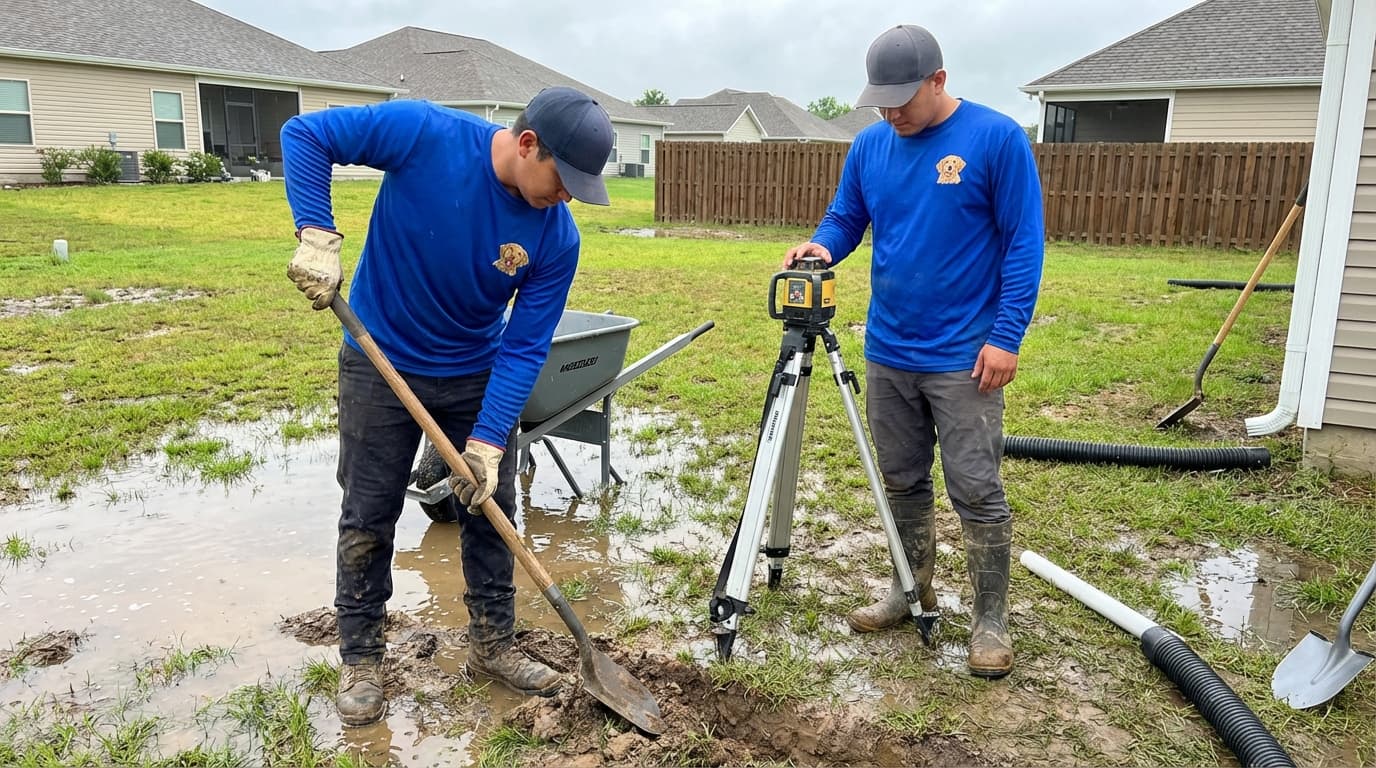
In San Antonio, we oscillate between scorching heat and sudden, torrential downpours. When the rain hits, the heavy clay soil common in Bexar County doesn't always cooperate. If your landscape isn't graded correctly, that water has nowhere to go but against your foundation or into stagnant pools.
Ignoring drainage issues isn't just an aesthetic choice; it’s a financial risk. Water damage is the leading cause of foundation failure in Texas. Here are the clear signs that your yard needs professional regrading or drainage solutions from Canopy Land Solutions.
1. The 48-Hour Puddle
It is normal for your lawn to be wet during a storm. However, if you see standing water in your grass or planting beds 24 to 48 hours after the rain stops, you have a drainage problem. This indicates that the soil is compacted or the grading is flat, preventing runoff from reaching the street or storm drains.
2. Water Moving Toward Your Home
This is the biggest red flag. Your landscape should have a "positive grade," meaning the ground slopes away from your house structure (typically dropping 6 inches over the first 10 feet). If you notice water pooling near your siding, or if your mulch washes up against the brick after a storm, you have a "negative grade." This directs water straight to your foundation beam, causing shifting, cracking, and costly structural repairs.
3. Soil Erosion and Exposed Roots
Do you find silt covering your walkways after a rainstorm? Are tree roots that used to be buried now exposed? This is a sign of uncontrolled surface runoff. Fast-moving water is stripping away your topsoil. Regrading can level these areas out, and installing French drains or dry creek beds can manage the flow velocity to protect your hardscaping.
4. Cracks in Walls or Sticking Doors
Sometimes the signs of poor yard drainage show up inside the house. When clay soil gets saturated, it swells; when it dries, it shrinks. If water constantly pools near your home's perimeter, this cycle accelerates, causing the foundation to heave. Look for:
- Diagonal cracks in drywall.
- Doors that suddenly stick or won't latch.
- Cracks in exterior brick or stucco.
5. An Uncontrollable Mosquito Population
Mosquitoes breed in stagnant water. In San Antonio, even a bottle cap of water can host larvae. If your yard feels like a swampy breeding ground while your neighbor’s yard is dry, you likely have low spots collecting hidden water. Leveling the yard eliminates these micro-swamps.
How Canopy Land Solutions Can Help
We don't just move dirt; we engineer flow. Depending on your property’s topography, we utilize a mix of solutions:
- Grading: Reshaping the land to ensure positive flow away from structures.
- French Drains: Subsurface piping to capture and redirect groundwater.
- Surface Drains & Catch Basins: Immediate relief for low spots.
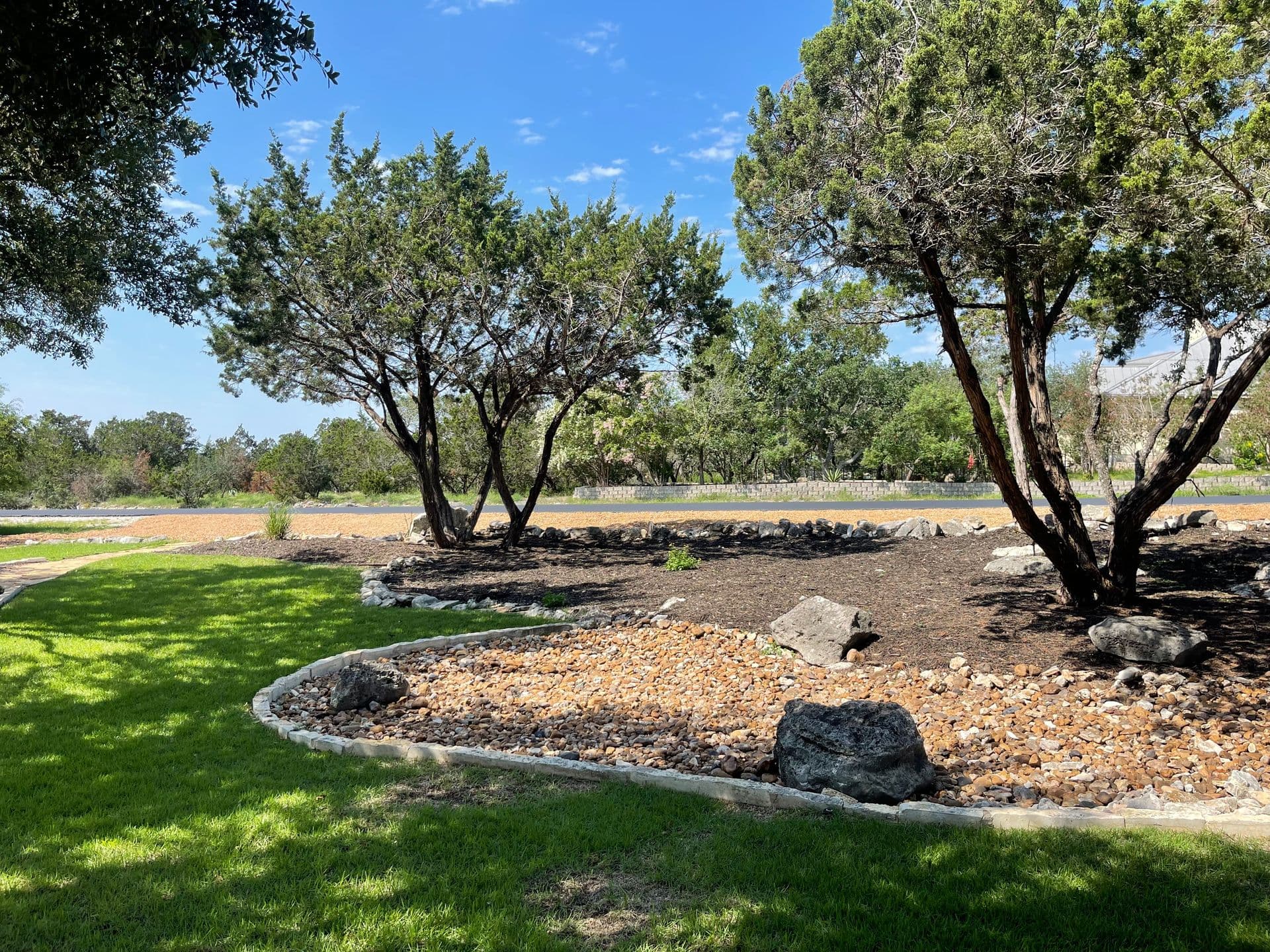
- Dry Creek Beds: Aesthetic rock features that channel heavy flow.
Don't wait for the next flash flood to threaten your home.
Protect your investment today. Contact Canopy Land Solutions for a drainage assessment and quote.
Related services
Drainage
French drains, surface swales, and downspout tie-ins engineered to move water away from structures. Every install includes grading, washed gravel, perforated pipe, and a proper discharge point to protect your foundation and surrounding landscape.
See pricing & details →Grading
Rough and final grading to establish proper slope, drainage, and a stable surface. Laser-guided cuts and fills ensure water moves away from structures and your project — sod, concrete, patio, or foundation — starts truly level and ready to build.
See pricing & details →Hardscape
Pavers, flagstone, and natural stone — patios, walkways, retaining walls, fire pits, and outdoor kitchens. Engineered base, polymeric sand, and proper drainage built into every install. Outdoor living spaces that hold up to Texas heat and feel premium underfoot.
See pricing & details →More insights
How to Build a Flagstone Walkway with Paver Edging
Combine the organic beauty of flagstone with the structural integrity of pavers. Learn how to install a durable walkway suited for San Antonio's unique soil conditions.
12/22/2025Rock Beds vs. Mulch Beds: What’s Better for Texas Yards?
Struggling to decide between rock and mulch for your San Antonio landscape? We break down the costs, heat factors, and maintenance trade-offs to help you make the right choice.
12/19/2025Custom Flowerbed Creation: Elevate Your San Antonio Landscape
Transform your property with professionally designed flowerbeds tailored to the San Antonio climate. Discover how proper soil prep and native plant selection create lasting curb appeal.
12/17/2025