
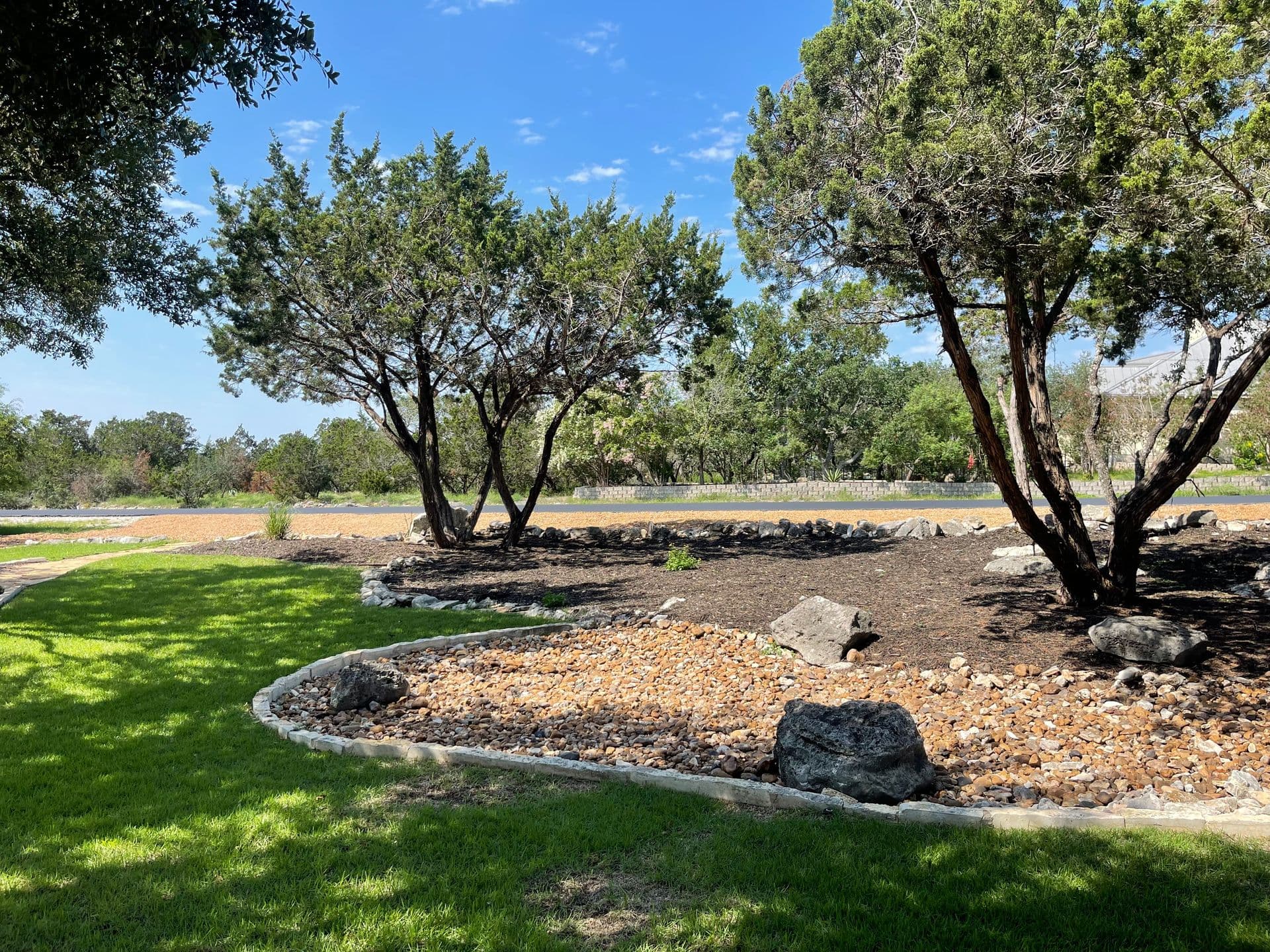
Insight
How to Build a Flagstone Walkway with Paver Edging
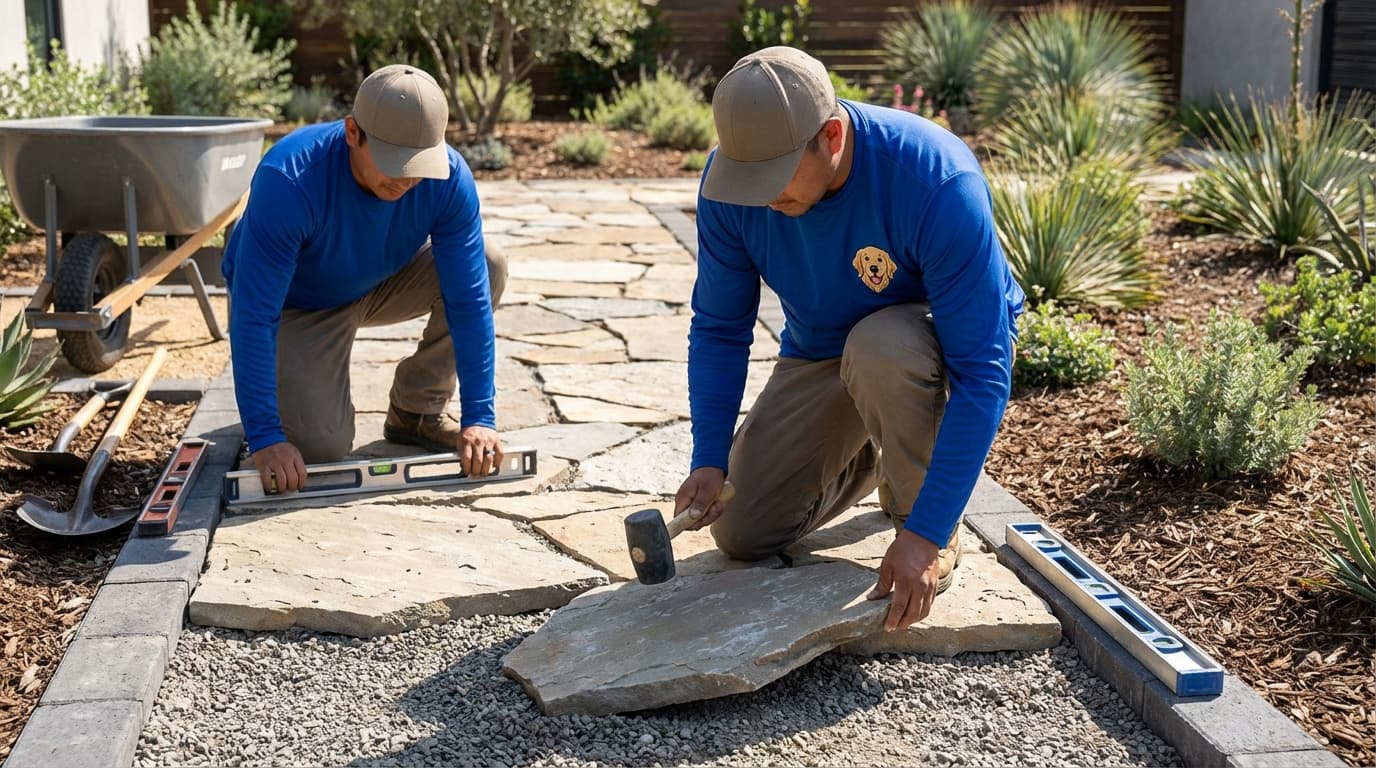
A flagstone walkway is a staple of the Texas Hill Country aesthetic. However, loose edges can often lead to shifting stones, especially with the ground movement we experience here in San Antonio. Adding a paver edging (often called a soldier course) frames the natural stone, providing structural stability and a clean, modern finish.
Here is how to create a stunning flagstone path with a solid paver border.
Why Combine Flagstone and Pavers?
- Structure: The uniform shape of pavers locks the walkway in place, preventing the irregular flagstones from migrating.
- Aesthetic: It creates a deliberate contrast between the organic, rugged center and the manicured edge.
- Durability: Properly installed borders protect the bedding sand from washing out during heavy Texas storms.
Tools and Materials
- Flagstone: 1.5-2 inch thick slabs (Sandstone or Limestone are local favorites).
- Pavers: 4x8 brick-style concrete pavers.
- Base Material: Crushed limestone road base.
- Bedding Sand: C-33 concrete sand.
- Polymeric Sand: For locking joints.
- Edging Restraint: Plastic landscape spikes/rails or concrete toe.
- Tools: Tamper (plate compactor recommended), rubber mallet, angle grinder with diamond blade, shovel, level.
Step-by-Step Installation
1. Excavation and Grading
In San Antonio, dealing with expansive clay soil means your foundation is everything.
- Mark your path using spray paint.
- Excavate to a depth of roughly 7 to 8 inches. This allows for 4 inches of base, 1 inch of sand, and the thickness of the stone.
- Ensure the soil slopes away from your home’s foundation for proper drainage.
2. The Foundation
Never lay stone directly on dirt.
- Fill the trench with 4 inches of crushed road base.
- Wet it slightly and compact it thoroughly using a plate compactor.
- This layer prevents the "heaving" that cracks walkways during seasonal temperature shifts.
3. Screeding the Sand
Lay down two 1-inch diameter PVC pipes as rails and pour your bedding sand between them. Drag a 2x4 board across the pipes to create a perfectly flat, uniform layer of sand. Do not walk on this layer once smoothed.
4. Installing the Paver Border
Set your concrete pavers first along the outer edges of the path.
- Use a string line to keep them straight.
- Secure the outside of the pavers with plastic edging restraints and 10-inch spikes to keep them tight against the future stone center.
5. Laying the Flagstone
This is the puzzle work. Place your large flagstones inside the paver border.
- Gap Management: Aim for consistent joints, ideally between 1-3 inches wide.
- Leveling: Use a rubber mallet to tamp the stones down so they sit flush with the paver border.
- Cutting: You will likely need to cut flagstone pieces to fit snugly against the flat edge of the pavers. Use an angle grinder with a diamond blade and proper safety gear.
6. Locking it in with Polymeric Sand
Sweep high-quality polymeric sand into the joints between the flagstones and the pavers.
- Run the compactor over the stones (with a protective pad) to vibrate the sand deep into the crevices.
- Mist with water according to the manufacturer's instructions to activate the hardening polymers.
When to Call a Pro
Hardscaping is labor-intensive. A 50-foot walkway requires moving several tons of rock and soil. If you want the Hill Country look without the back-breaking labor, Canopy Land Solutions is here to help.
We specialize in custom hardscapes designed to withstand the South Texas climate. Whether you need a simple garden path or a complex patio overlay, we ensure the base is solid and the design is flawless.
Ready to upgrade your curb appeal? Contact Canopy Land Solutions today for a free estimate on your new walkway.
Related services
Hardscape
Pavers, flagstone, and natural stone — patios, walkways, retaining walls, fire pits, and outdoor kitchens. Engineered base, polymeric sand, and proper drainage built into every install. Outdoor living spaces that hold up to Texas heat and feel premium underfoot.
See pricing & details →Drainage
French drains, surface swales, and downspout tie-ins engineered to move water away from structures. Every install includes grading, washed gravel, perforated pipe, and a proper discharge point to protect your foundation and surrounding landscape.
See pricing & details →Concrete
Poured concrete for patios, driveways, walkways, slabs, and foundations. Proper sub-grade prep, rebar or mesh, and broom, smooth, or stamped finishes available. Built to local code with control joints placed correctly so your slab stays crack-free for the long haul.
See pricing & details →More insights
Is Your Yard Drowning? 5 Signs You Need Regrading or Drainage Work
Ignore standing water at your own risk. Learn the warning signs that your property needs professional drainage correction to protect your foundation and landscape.
12/19/2025Rock Beds vs. Mulch Beds: What’s Better for Texas Yards?
Struggling to decide between rock and mulch for your San Antonio landscape? We break down the costs, heat factors, and maintenance trade-offs to help you make the right choice.
12/19/2025Custom Flowerbed Creation: Elevate Your San Antonio Landscape
Transform your property with professionally designed flowerbeds tailored to the San Antonio climate. Discover how proper soil prep and native plant selection create lasting curb appeal.
12/17/2025