Services
Plant Installs
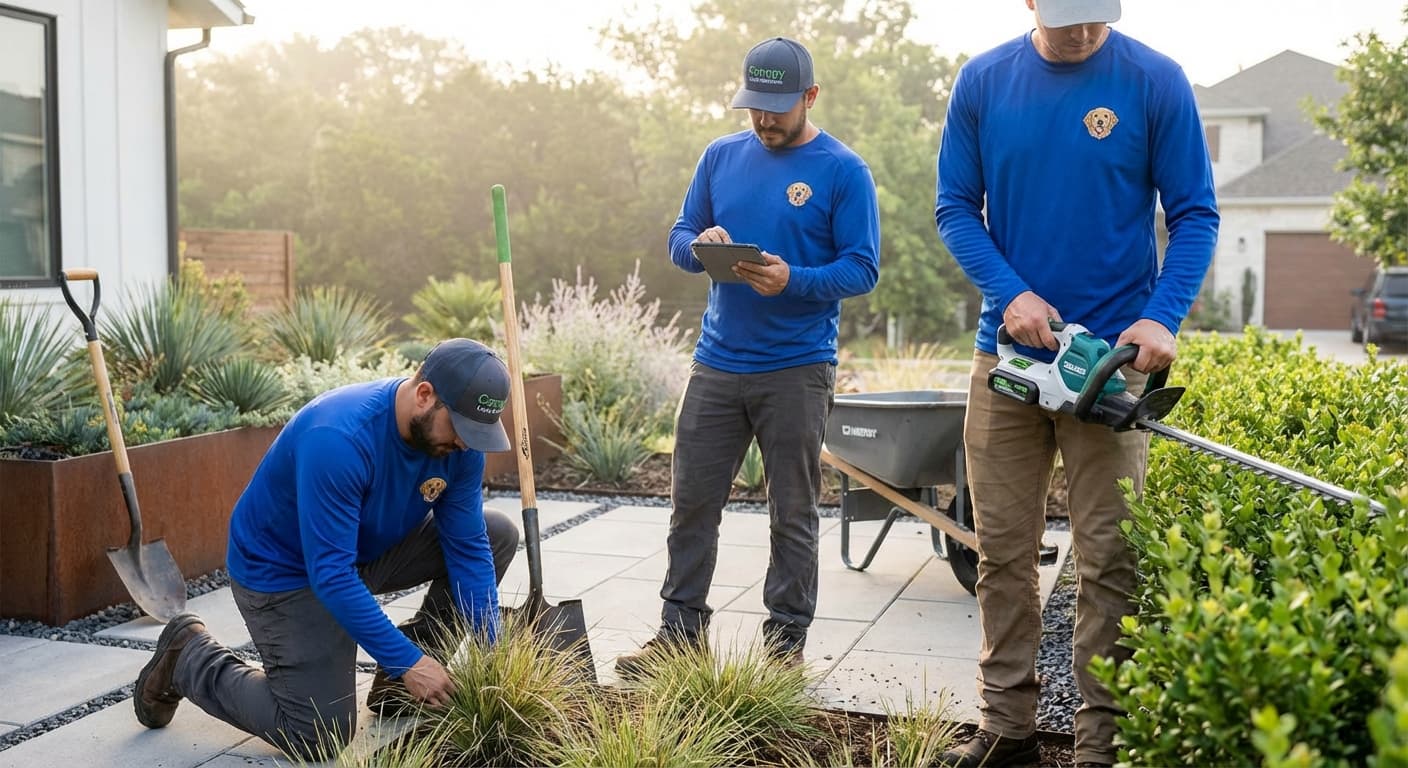
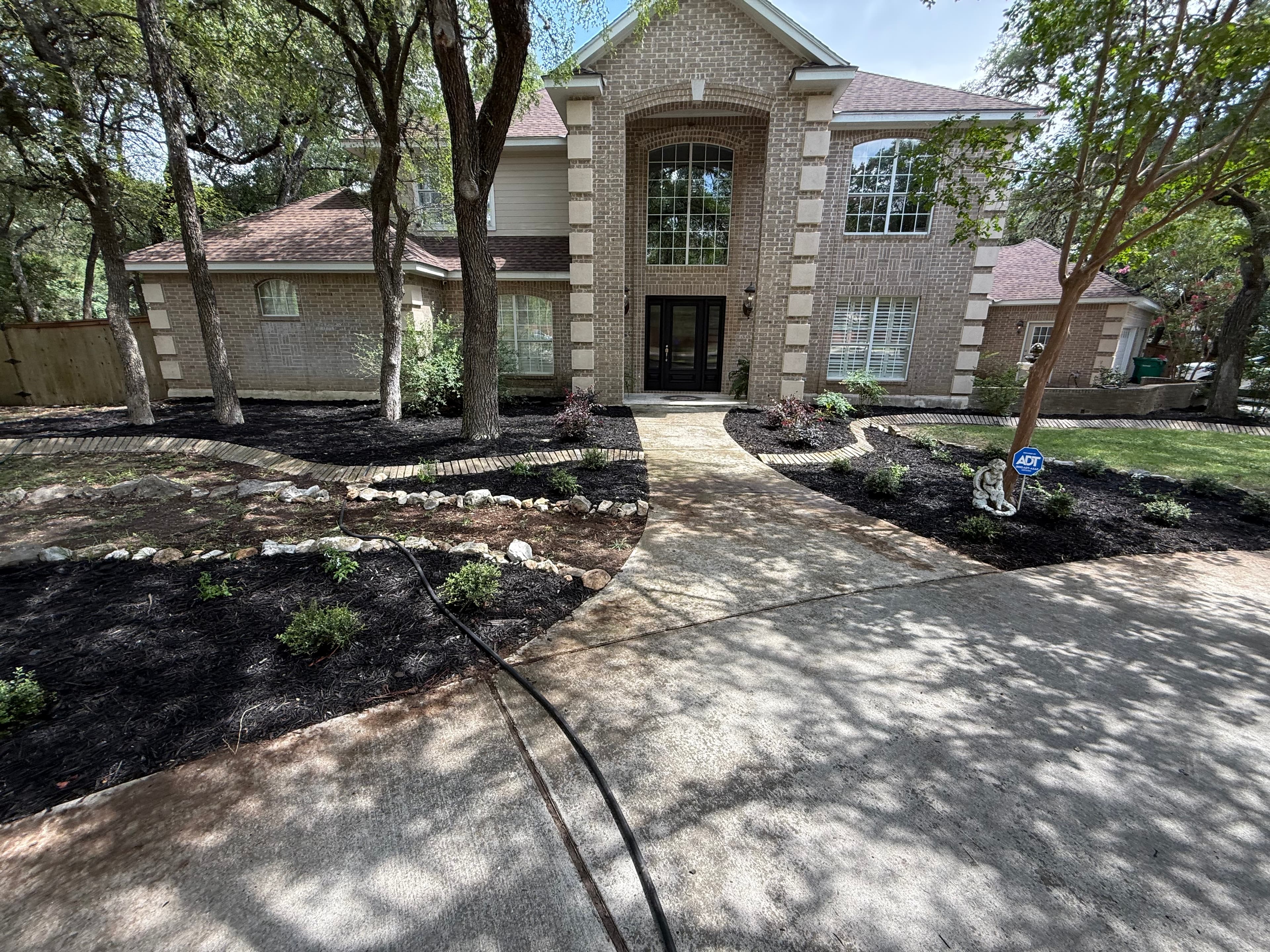
Curated plant installs using Texas-tough, San Antonio-native species — soil amendment, proper spacing, mulch ring, and a soak-in irrigation pass included. Starts at $35 per 1-gallon plant; pricing scales with container size, species, and quantity. Final number set at site walk.
Pricing varies by site. Final scope, materials, and access influence the all-in number — we'll quote your specific project after a quick conversation.
About our plant installs work
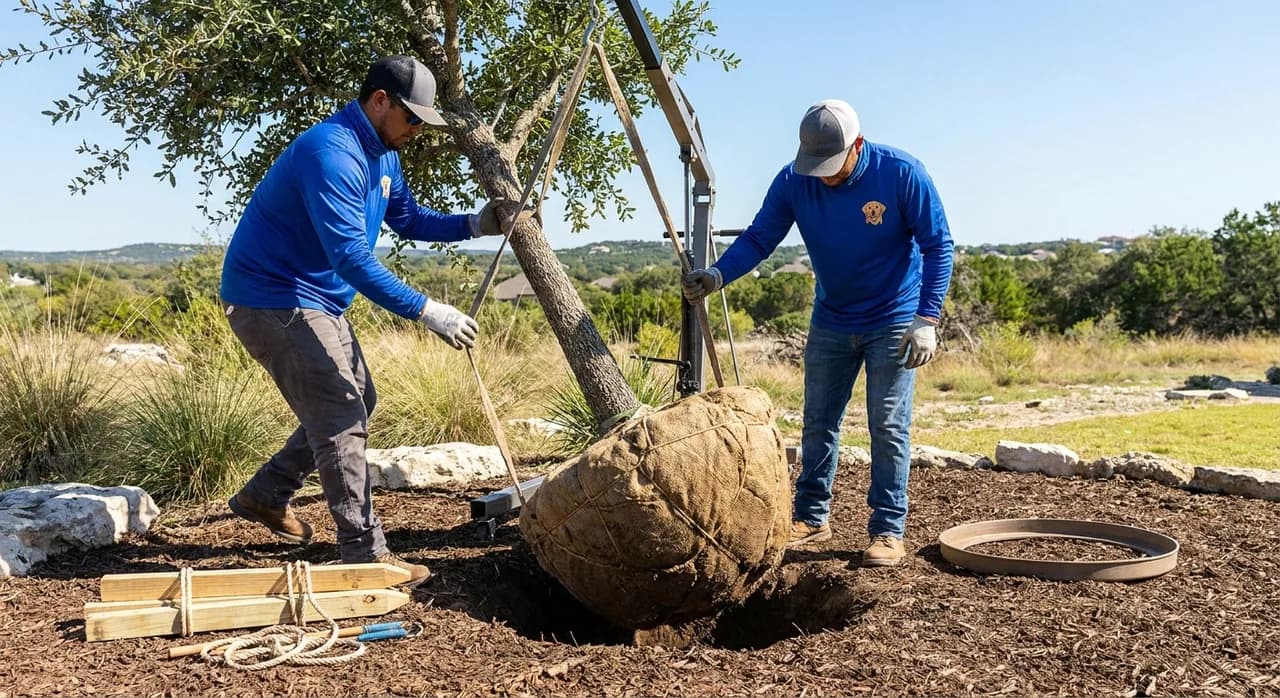
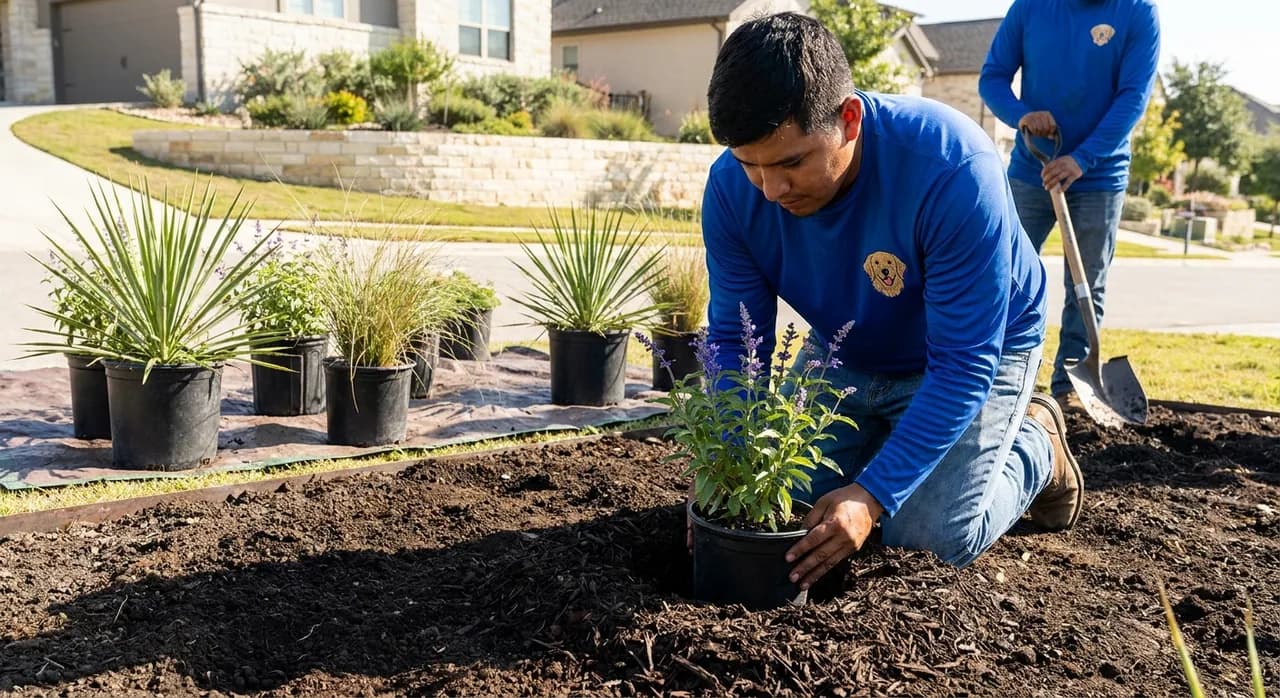
Curated plant installs built around Texas-tough, San Antonio-native species that survive clay, caliche, drought cycles, and deer pressure without a life-support irrigation schedule. Every install starts with the right plant in the right spot — sun exposure mapped, mature size accounted for, and spacing set so beds fill in within two seasons instead of staying patchy for five.\n\nSoil prep is where most plant jobs fail in South Texas. Native clay gets amended with expanded shale and compost to break up the brick-pan and improve percolation. Each plant is set at grade — never deep — with a saucer-shaped basin pulled up around the root ball for deep watering. Mulch ring goes 3 inches thick and stays 2 inches off the trunk to prevent collar rot.\n\nWe pull the planting palette from proven performers: salvia greggii, autumn sage, Texas sage, gulf muhly, blackfoot daisy, lantana, esperanza, flame acanthus, and cenizo for the hot beds. Shadier zones get Turk's cap, inland sea oats, and cedar sage. Pricing starts at $35 per 1-gallon and scales with container size, species, and quantity — final number set at the site walk.
What's included
- Plant sourcing from local Hill Country growers
- Soil amendment with expanded shale and compost
- Proper planting depth and saucer basin
- 3-inch shredded hardwood mulch ring per plant
- Initial soak-in irrigation pass at install
- Spacing layout based on mature plant size
- Removal and haul-off of existing failed material
- 30-day plant establishment check-in
Materials & techniques
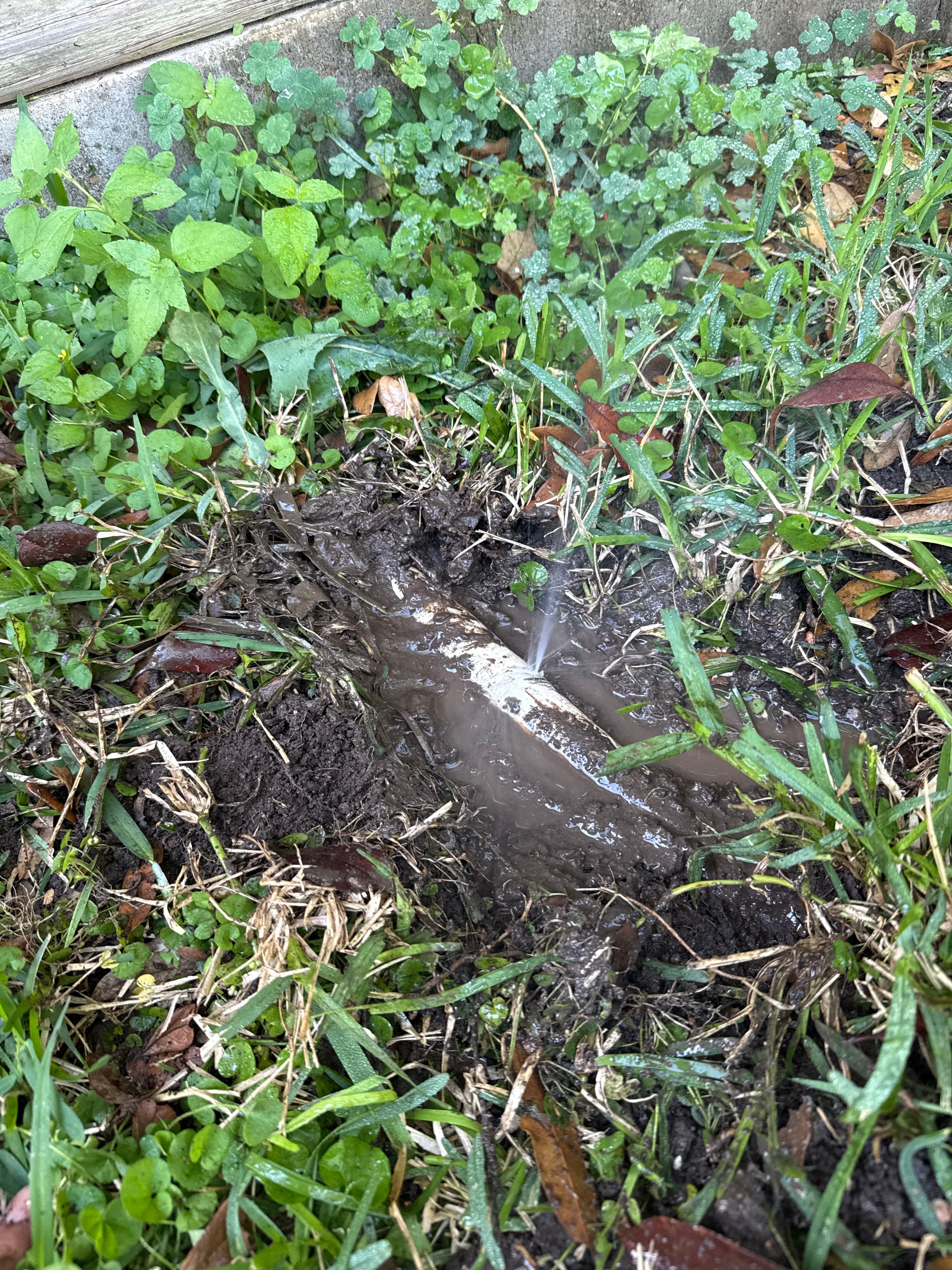
Plant sourcing comes from Hill Country and South Texas growers acclimated to our heat and water profile — not big-box stock flown in from cooler climates. Soil amendment uses expanded shale for long-term structural drainage in clay, plus screened compost for organic matter and microbial activity. Mulch is shredded hardwood or native cedar, not dyed pine bark, because it locks down in wind and breaks down into usable soil. Planting technique follows the modern flush-grade standard — root flare visible, no soil mounded over the crown, and a temporary basin pulled up for deep watering. Drip irrigation tie-ins are coordinated with the irrigation crew when an existing system is present.
How the project runs
- 1
Site walk and palette
Walk the property, map sun and shade zones, test soil drainage where needed, and finalize a plant palette tuned to your exposure, deer pressure, and how the bed needs to read from the street.
- 2
Bed prep and amendment
Existing dead material is pulled, beds are edged clean, and native clay is amended with expanded shale, compost, and a starter fertilizer worked into the top 6 to 8 inches.
- 3
Layout and planting
Plants are set in their containers first to verify spacing and grade. Each goes in with the root flare at grade, backfilled in lifts, and watered in to eliminate air pockets.
- 4
Mulch and soak-in
Beds get a 3-inch shredded hardwood mulch layer pulled back off stems and trunks, followed by a deep soak-in irrigation pass to settle soil around every root ball.
- 5
Establishment window
We provide a watering schedule for the first 4 to 6 weeks and return for a check-in to address any settling, leaning, or replacements covered under the install warranty.
Frequently asked questions
What plants actually survive a San Antonio summer with minimal water?
Cenizo, Texas sage, salvia greggii, blackfoot daisy, lantana, esperanza, gulf muhly, and flame acanthus are the workhorses. Once established — typically after the first full growing season — they need supplemental water only during extended drought stretches.
Are these plants deer-resistant?
Most of our recommended palette ranks high on deer-resistance lists, but no plant is fully deer-proof in a hard winter. For high-pressure neighborhoods like Bulverde, Helotes, and parts of Stone Oak, we lean heavier on cenizo, salvia, esperanza, and yucca and avoid hostas, hydrangeas, and pansies entirely.
When is the best time to install plants in San Antonio?
October through March is ideal — cooler soil temps let roots establish before the summer load. We install year-round, but summer installs require closer water monitoring during the first 30 days.
Do you guarantee the plants?
Yes, plants installed by us carry a 30-day establishment warranty when our recommended watering schedule is followed. Loss from neglect, irrigation failure, freeze events, or animal damage is not covered.
Why hire us for plant installs
In-house crew
Design, build, irrigation, and maintenance all run under one roof — no subbing out, no juggling vendors. You get one project manager from sketch through final walk-through.
San Antonio specialists
Built for South-Central Texas — heavy clay, caliche, long dry summers, and flash rain. Our designs and installs are tuned to what survives and looks good locally.
Clear pricing
No surprise line items. We size the work after a quick conversation or site visit and issue a written quote with materials and labor broken out so you can compare apples to apples.