Services
Whole-Home Remodels
Down-to-studs and whole-home remodels — kitchens, baths, layout reworks, structural changes, and exterior facade updates. One in-house team manages demo, framing, MEP, drywall, cabinetry, tile, and finish — so the project flows on a single schedule with one accountable point of contact.
Pricing varies by site. Final scope, materials, and access influence the all-in number — we'll quote your specific project after a quick conversation.
About our whole-home remodels work
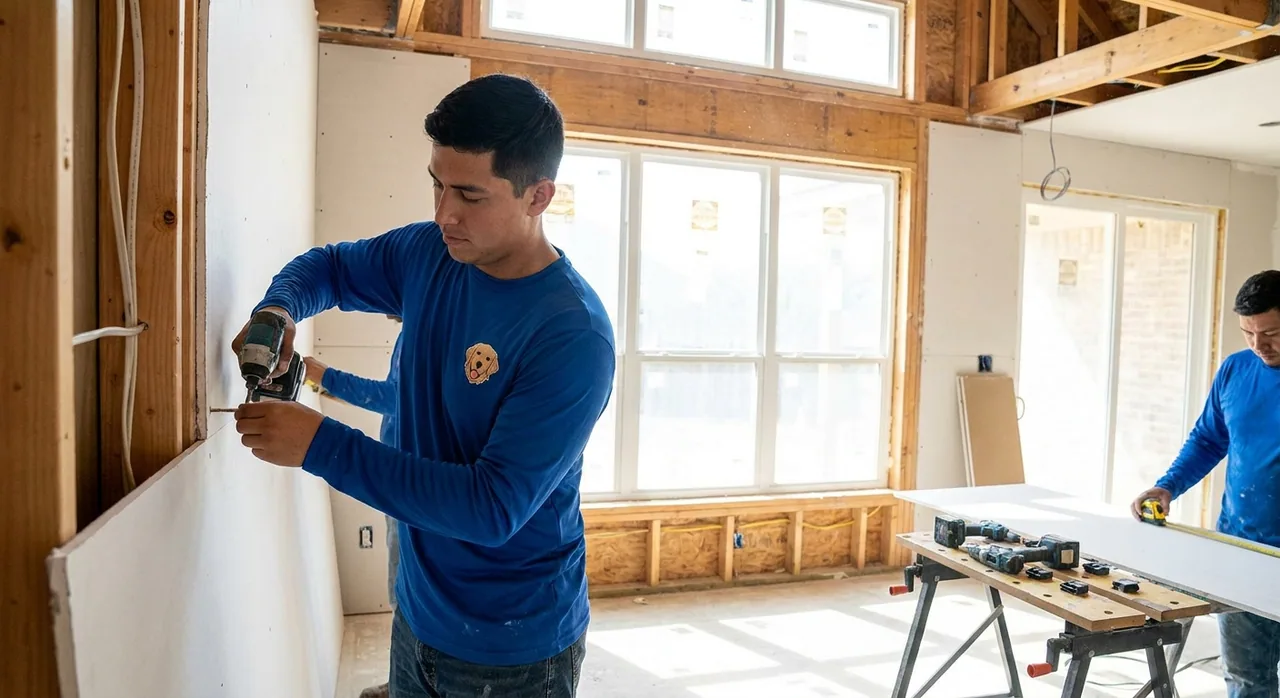
Down-to-studs and whole-home remodels — kitchens, baths, layout reworks, structural changes, exterior facade updates, and full gut renovations. One in-house team manages demolition, structural framing changes, MEP, drywall, cabinetry, tile, and finish-out so the project flows on a single schedule with one accountable point of contact. Whole-home work starts with structural review — identifying load-bearing walls before any layout changes are drawn, evaluating existing foundation condition (slab cracking, pier rot, post-tension cable mapping where applicable), and assessing existing MEP for replacement or reuse. Older San Antonio homes frequently need full electrical re-wire (knob-and-tube or cloth-wrapped wiring), galvanized plumbing replacement with PEX or copper, and HVAC upsizing once insulation is brought to current code. Permitting through the City of San Antonio is pulled for the full scope rather than piecemeal — structural, electrical, plumbing, mechanical, and building all on one project number. Owners typically vacate for down-to-studs work; partial gut remodels can sometimes phase to keep one wing livable. Lead times on cabinetry, tile, and windows drive schedule more than trade availability.
What's included
- Pre-construction structural review and existing-conditions audit
- Full demolition — selective or down-to-studs with debris haul-off
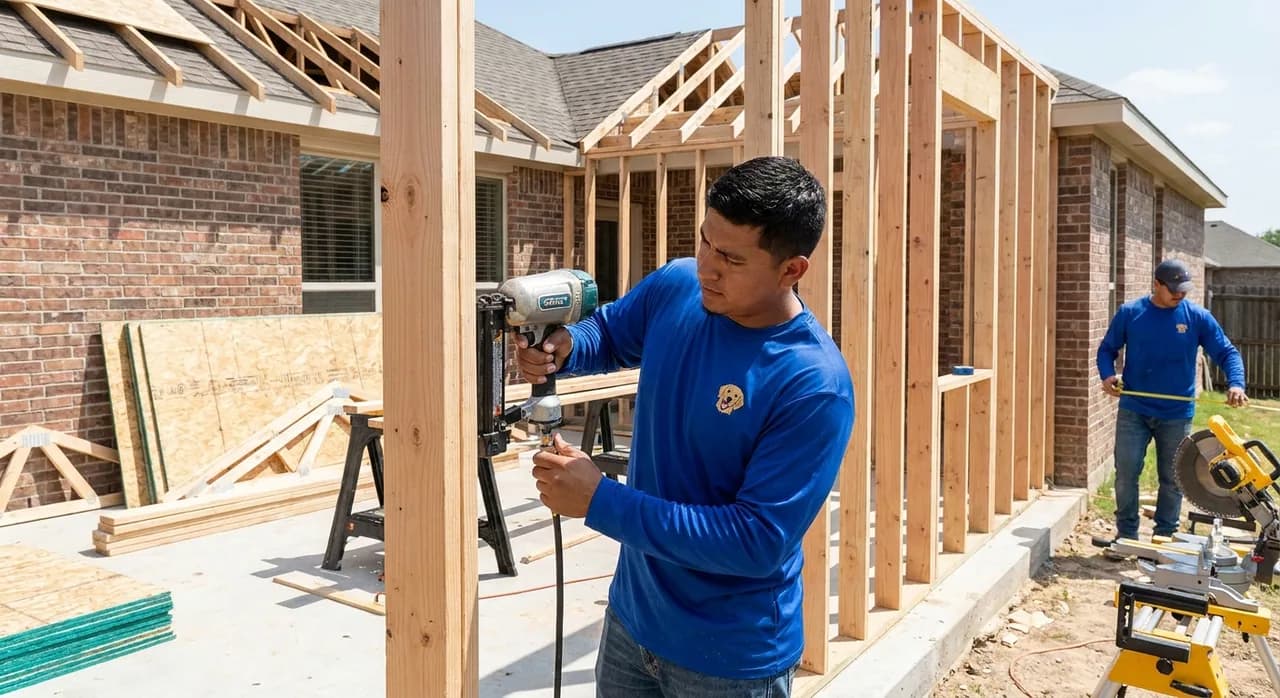
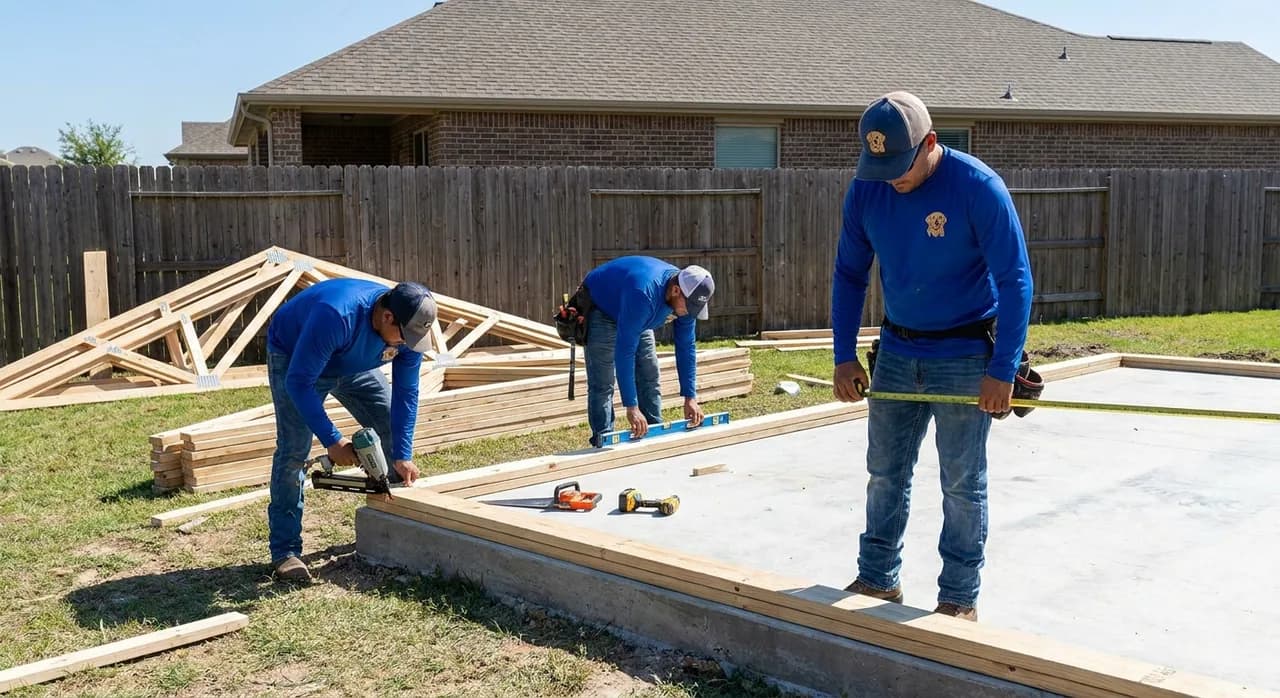
- Structural changes — load-bearing wall removal, beam install, framing
- Full MEP replacement or rework — electrical, plumbing, HVAC
- Insulation upgrade to current code — R-19 walls, R-38 attic
- Drywall, paint, flooring, cabinetry, tile, and finish carpentry
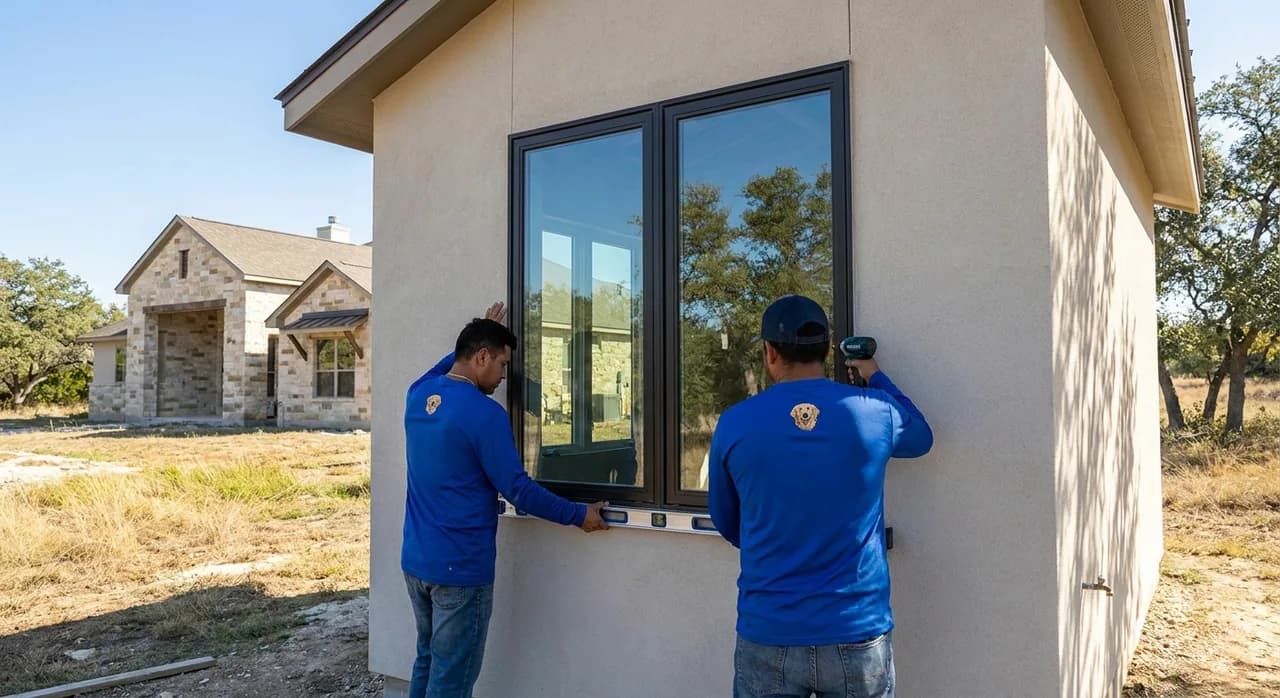
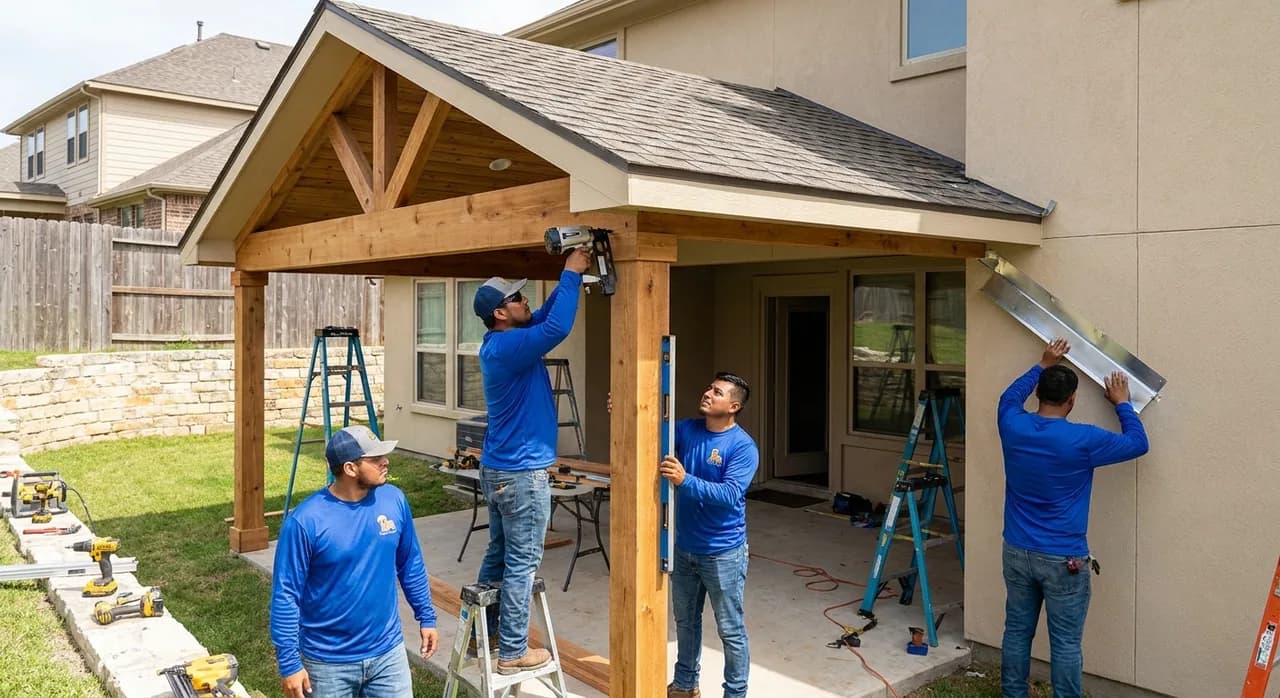
- Exterior updates — siding, windows, roofing, paint, masonry
- Single permit, single project manager, single schedule from demo to final
Materials & techniques
Load-bearing wall removals use engineered LVL or steel beams sized by structural calc — not dimensional lumber except for short spans. Older San Antonio homes (pre-1970) often have knob-and-tube or cloth-wrapped Romex that fails current code and insurance requirements — full re-wire is usually scoped in. Galvanized supply plumbing is replaced with PEX (cost-effective, flexible) or copper (longer service life). HVAC is re-sized by Manual J after insulation upgrades — a 4-ton system on an uninsulated 1960s house often drops to 3 tons after R-38 attic and R-19 walls go in. Foundation cracks are evaluated by structural before any finish work commits.
How the project runs
- 1
Existing-conditions audit
Walk the house with structural, MEP, and architectural review. Identify load-bearing walls, foundation condition, existing wiring and plumbing material, HVAC capacity, and any latent issues that affect scope and budget.
- 2
Design and engineering
Architectural drawings for layout and finishes, structural engineering for any wall removals or framing changes, MEP plans for full or partial replacement. Stamped and submitted for permit.
- 3
Demolition and structural
Selective or full demo, debris haul-off, structural framing changes including beam install for removed load-bearing walls, foundation repair if required, and dry-in for any envelope changes.
- 4
MEP rough-in and inspection
Full or partial electrical re-wire, plumbing replacement, HVAC rework or replacement. Rough-in inspections at City of San Antonio before insulation and drywall.
- 5
Finish-out and final
Insulation, drywall, paint, flooring, cabinetry, tile, fixtures, appliances, and trim. Exterior updates run parallel where possible. Final inspections and project handoff.
Frequently asked questions
Do I need to move out during a whole-home remodel?
For down-to-studs work, yes — water, power, and HVAC are off intermittently and dust is unavoidable. Partial remodels can sometimes phase to keep bedrooms or one wing livable, but this extends schedule by 20-40% and increases cost.
How long does a whole-home remodel take?
Typical 2,000-3,000 sq ft down-to-studs remodel — 8-14 months from demo to final, including permitting and material lead times. Cabinetry and window lead times often drive schedule more than trade work.
Will you find issues we don't know about?
Almost always. Older homes hide foundation settlement, hidden water damage, undersized electrical service, asbestos in popcorn ceilings or floor tile, and DIY plumbing or wiring done by previous owners. We budget a contingency line for discovery items and document everything found.
Can I remove this wall?
Most walls can be removed with proper engineering — a sized LVL or steel beam carries the load that the wall was carrying. The structural engineer determines beam size based on span, tributary load, and bearing points. Cost ranges from $4,000 for short interior spans to $25,000+ for long structural beams with new posts to foundation.
Should I re-wire and re-plumb during a gut remodel?
If the house is pre-1980 and the walls are already open, yes. Doing it during a gut remodel is dramatically cheaper than retrofitting later because the walls are open and no finishes need to be cut back into. Insurance underwriting is also increasingly strict on older electrical.
Why hire us for whole-home remodels
In-house crew
Design, build, irrigation, and maintenance all run under one roof — no subbing out, no juggling vendors. You get one project manager from sketch through final walk-through.
San Antonio specialists
Built for South-Central Texas — heavy clay, caliche, long dry summers, and flash rain. Our designs and installs are tuned to what survives and looks good locally.
Clear pricing
No surprise line items. We size the work after a quick conversation or site visit and issue a written quote with materials and labor broken out so you can compare apples to apples.