Services
Custom Carports
Custom carports — wood-framed with shingled roofs, steel-framed with standing-seam metal, or RV-height clear-span structures. Anchored to engineered footings, permitted, and tied into your driveway. Daily-driver shade or a full second bay where a garage addition won't fit.
Pricing varies by site. Final scope, materials, and access influence the all-in number — we'll quote your specific project after a quick conversation.
About our custom carports work
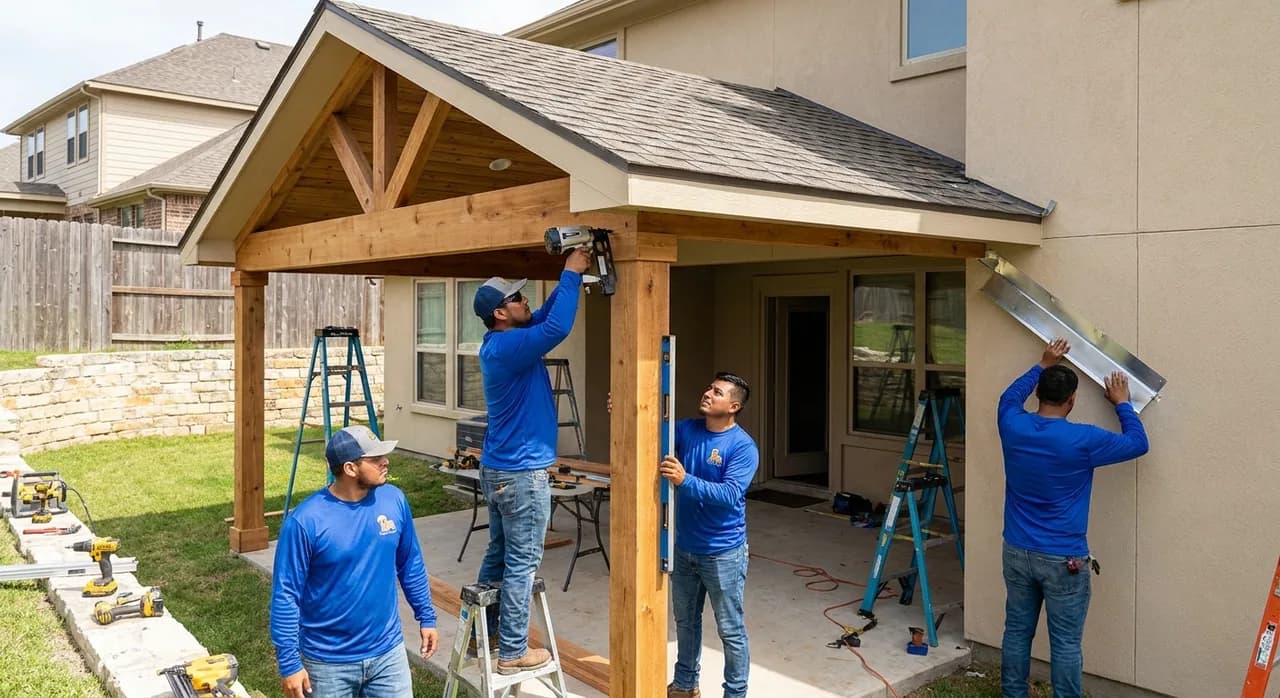
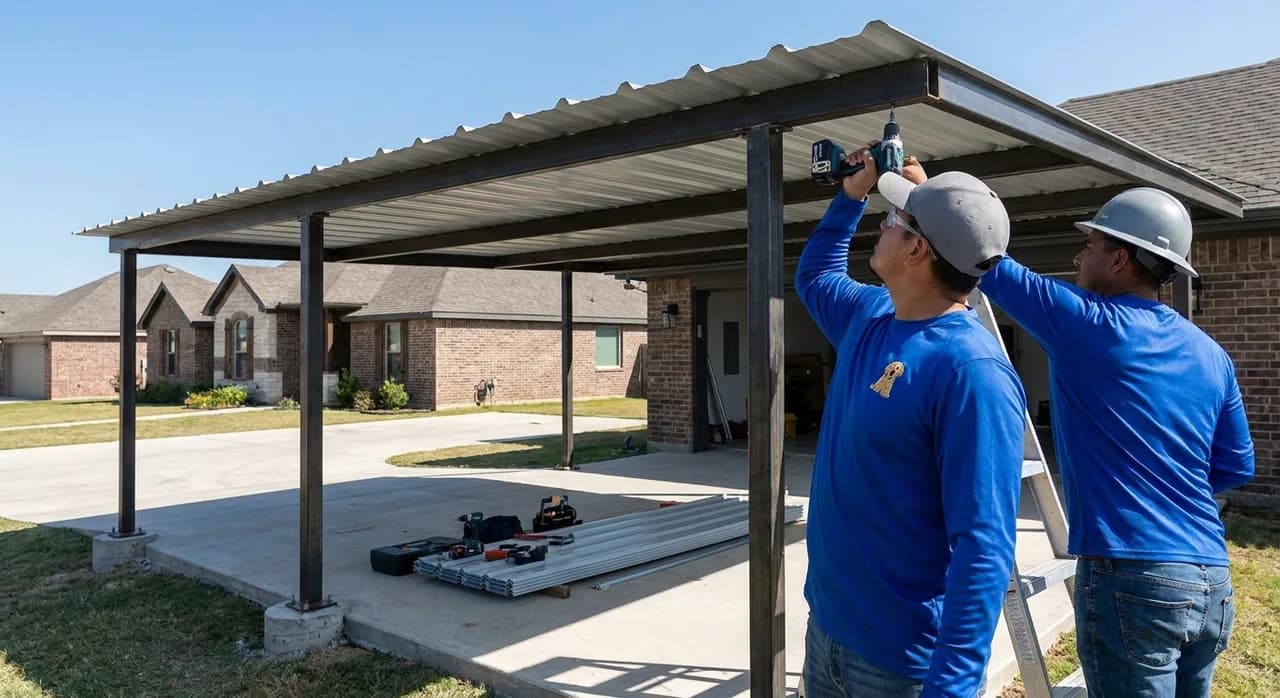
Custom carports built to the same structural standard as a covered patio — not the bolt-together steel kits you see on highway frontage. We frame in PT or KDAT lumber with shingle roofs, structural steel with standing-seam metal, or clear-span steel for RV-height bays where a side-loading garage door isn't an option. Posts land on Simpson post bases over piers sized to wind load and soil bearing. Roofs are pitched to shed water away from the house and existing driveway, with gutters and downspouts routed to daylight or tied into the storm system. Attached carports get the same flashing detail as a covered patio — ledger flashing, step-flashing, and proper WRB integration. Freestanding carports get full engineering for uplift, which is the real failure mode in Texas thunderstorms — a 600-square-foot roof with bad anchoring becomes a sail in an 80 mph gust. Heights are designed around your actual vehicles: 8-foot for standard cars, 10-foot for trucks with crossbars, 12–14 foot for RVs, campers, and boats on trailers. Daily-driver shade or a full second bay where a garage addition won't fit.
What's included
- Engineered pier footings sized to uplift and bearing load
- Simpson post bases and through-bolted beam connections
- PT, KDAT, or structural steel framing
- Hurricane ties and code-compliant rafter spacing
- Standing-seam metal, R-panel, or shingled roof
- Gutters and downspouts routed to drainage
- Permit and stamped engineering for wind/uplift load
- Tie-in to existing driveway with proper slope
Materials & techniques
Carports take real uplift load — they're large, flat surfaces with wind catching them from underneath. We engineer for 115 mph IRC wind load minimum, with hold-down hardware on every post-to-footing connection (not just compression bases). Steel structures use welded moment connections at beam-to-post joints; wood structures use through-bolted knife plates or Simpson MSTC straps. Standing-seam metal is the right call on carports — concealed clips handle thermal expansion across a wide, hot roof without leaks. R-panel is acceptable on budget builds with proper closure foam at ridge and eave. Slope is 2:12 minimum on metal, 3:12 on shingle, always pitched away from the house. Gutters are oversized — 6-inch K-style or larger — because a flat-pitched carport roof dumps a lot of water in a short window.
How the project runs
- 1
Site walk and vehicle measurement
We measure actual vehicles (with crossbars, antennas, RV AC units) and set clear height accordingly — 6 inches of clearance isn't enough for a real-world parking pad.
- 2
Engineering and permitting
Stamped drawings for wind load and uplift. Setback verification against property lines, easements, and HOA covenants. Permit pulled with the AHJ.
- 3
Footings and slab work
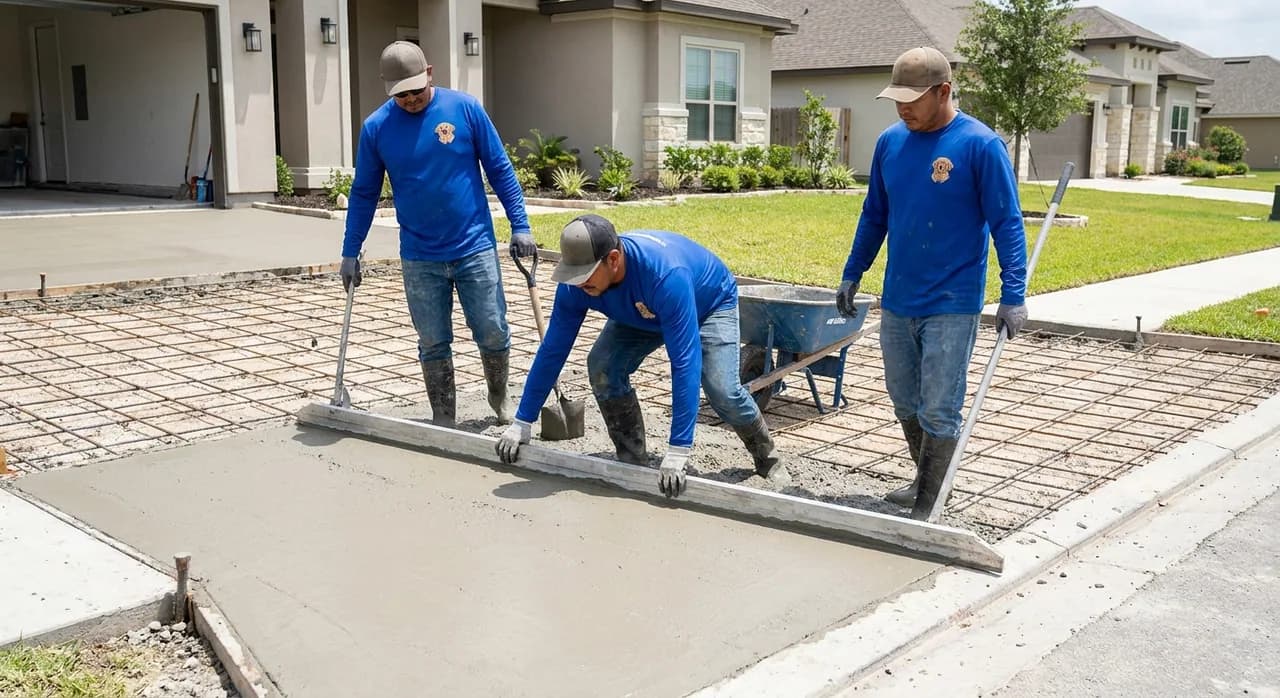
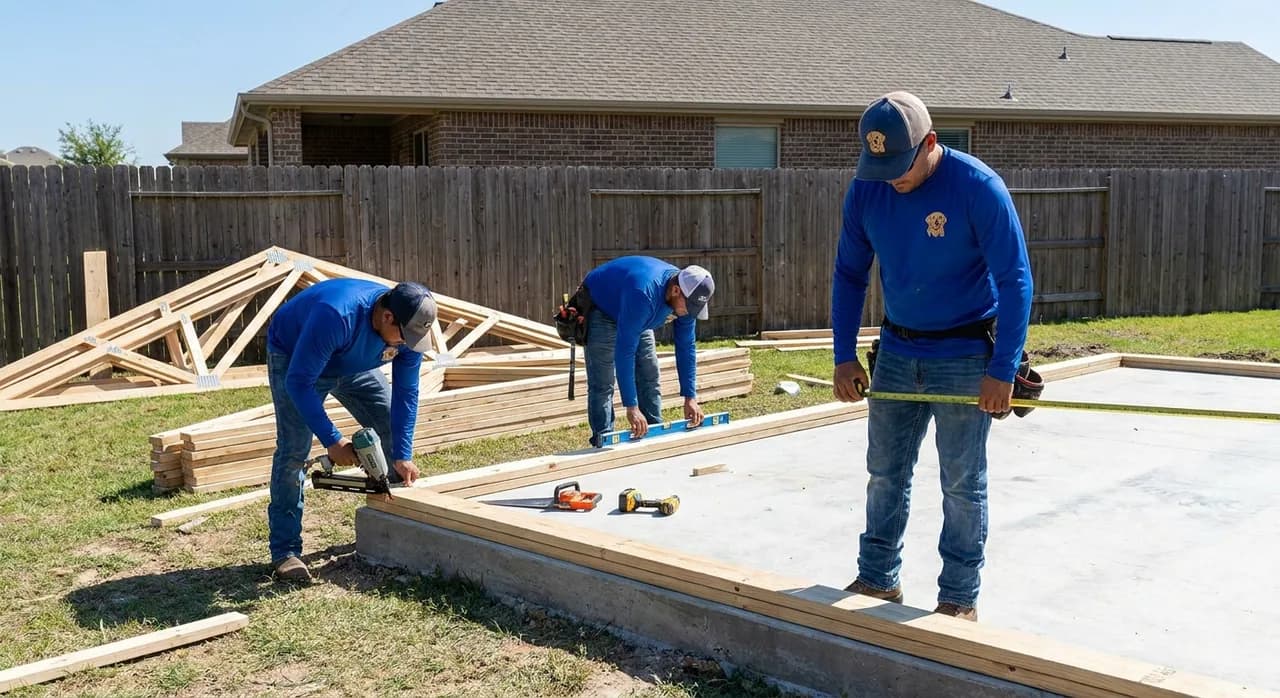
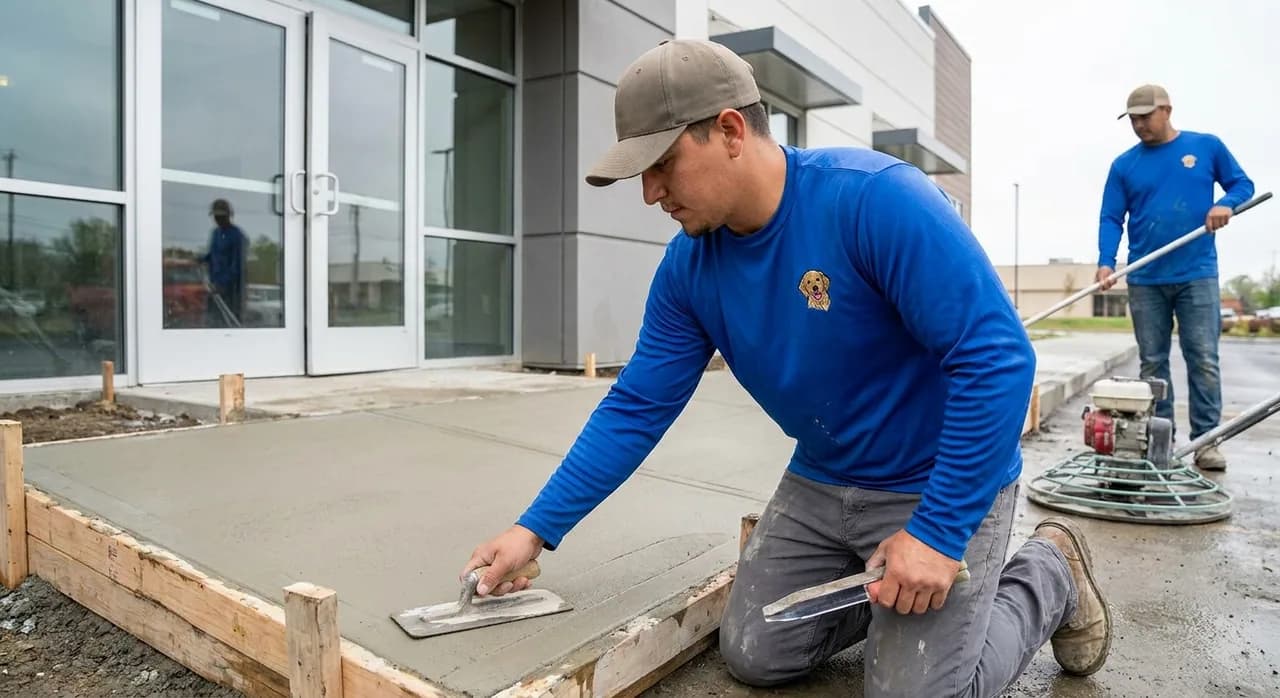
Piers augered to bearing. Driveway extension or new pad poured if existing slab doesn't reach. Anchor bolts template-set for post bases.
- 4
Frame and roof
Posts, beams, and rafters go up plumb and square with hurricane ties on every bearing. Roof deck or purlins, then finish roofing with proper drip edge.
- 5
Gutters, trim, and inspection
Gutters sized to roof area route water away from the house and driveway. Soffit and fascia finish the structure. Final inspection closes the permit.
Frequently asked questions
Can a carport be converted to a garage later?
If we build with that in mind, yes — we'll spec footings, slab thickness, and post placement to accept walls and a garage door later. If you're thinking about it, tell us upfront. Retrofitting an existing carport with walls usually means upgrading footings and re-pulling permits.
How tall should an RV carport be?
Measure the RV including the roof AC and any antennas, then add 18–24 inches of working clearance. Most Class A motorhomes need 13–14 feet of clear height. Travel trailers usually fit under 12 feet. We measure on-site before locking dimensions.
Will the city let me build a carport in my front yard?
Depends on the jurisdiction, setbacks, and HOA. Most San Antonio jurisdictions allow attached carports within building setbacks, but many HOAs restrict front-yard structures. We pull setback requirements and HOA covenants before design — no point engineering something that won't get approved.
Steel or wood?
Steel spans further with fewer posts (better for RV bays and clear-span layouts), lasts longer with less maintenance, and ties cleanly to standing-seam metal roofing. Wood looks warmer and matches a house with a shingle roof. Both are structurally valid — pick on aesthetics, span, and budget.
How does a carport tie into my driveway?
We saw-cut and extend the existing driveway, or pour a new pad sized to the carport footprint. Joints get isolation material so the new slab can move independently. Slope is set away from the house at minimum 1/8 inch per foot.
Why hire us for custom carports
In-house crew
Design, build, irrigation, and maintenance all run under one roof — no subbing out, no juggling vendors. You get one project manager from sketch through final walk-through.
San Antonio specialists
Built for South-Central Texas — heavy clay, caliche, long dry summers, and flash rain. Our designs and installs are tuned to what survives and looks good locally.
Clear pricing
No surprise line items. We size the work after a quick conversation or site visit and issue a written quote with materials and labor broken out so you can compare apples to apples.