Services
Concrete Flatwork
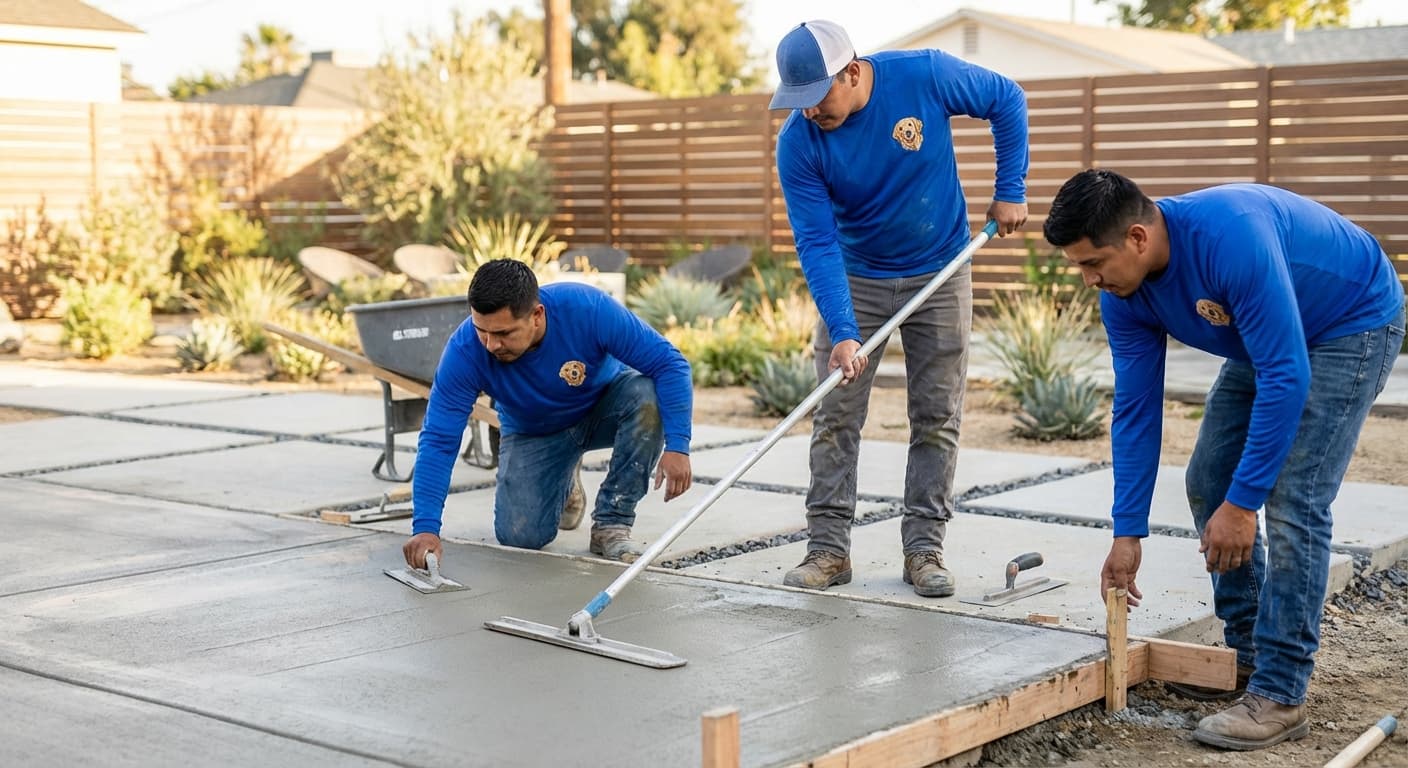
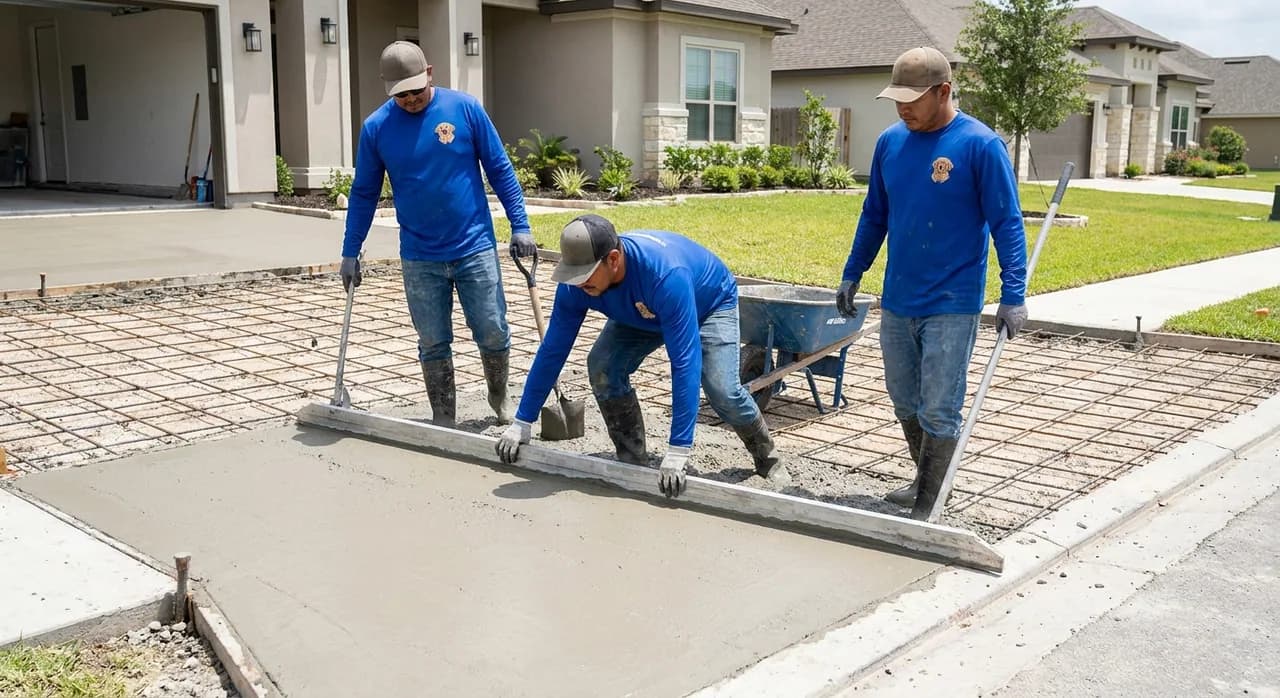
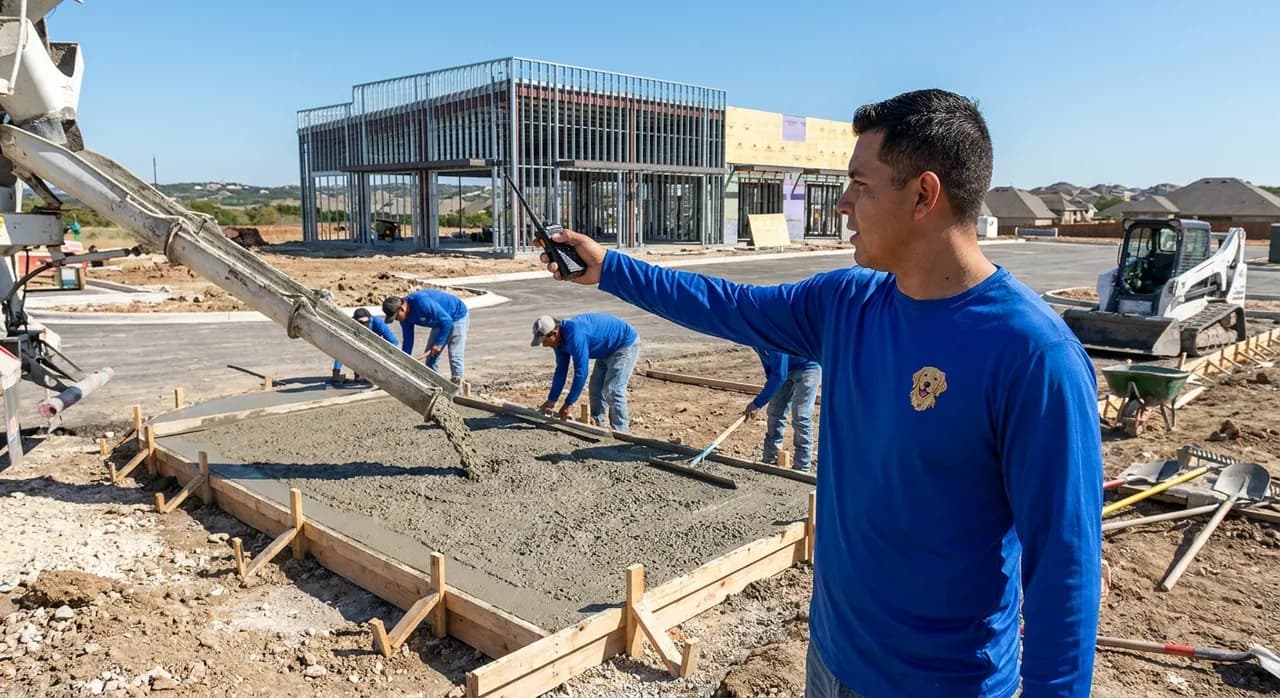
Commercial-grade flatwork — sidewalks, ADA ramps, dumpster pads, curb work, and parking-lot tie-ins. Engineered base, proper reinforcement, brushed or smooth finishes, and code-compliant slope. Built to spec and ready for inspection on schedule.
Pricing varies by site. Final scope, materials, and access influence the all-in number — we'll quote your specific project after a quick conversation.
About our concrete flatwork work
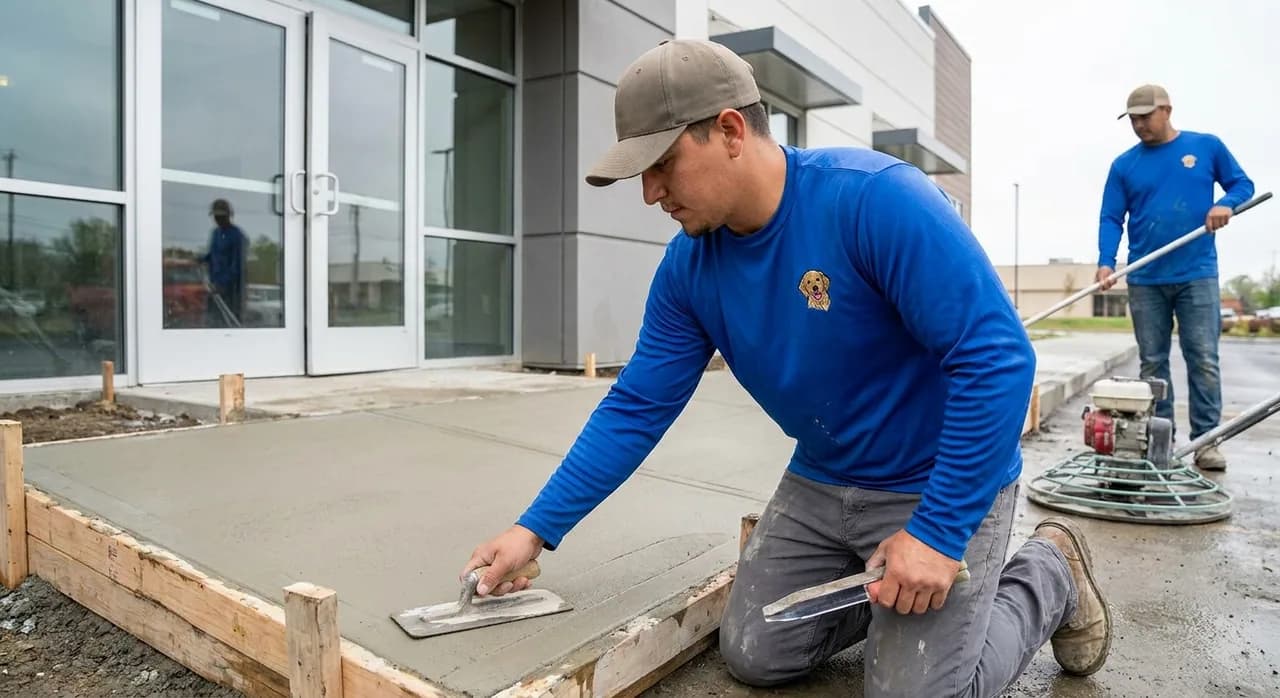
Commercial flatwork has zero tolerance for guesswork — sidewalks, ADA ramps, dumpster pads, curb-and-gutter, parking-lot tie-ins, and loading dock approaches all get inspected against published specs, and a slab that misses elevation, slope, or reinforcement by a quarter-inch gets rejected. We pour to TXDOT, City of San Antonio Public Works, and ADA standards depending on the project, with engineered base prep, properly sized reinforcement, and finish profiles that meet slip-resistance and ride-quality requirements. ADA ramps land between 1:12 and 1:20 running slope with cross-slope under 1:48, detectable warning panels embedded at the gutter line, and 60-inch landings at every directional change. Dumpster pads pour at 6–8 inches over a 6-inch base with #4 rebar at 12 inches on grid to handle the point loads of a loaded front-load container. Sidewalks pour at 4 inches over compacted base with broom finish and tooled or saw-cut joints at 5-foot panels. Every pour is documented for elevation, slump, and air content — ready for inspection on the day we said it would be.
What's included
- Survey-grade layout and elevation control
- Engineered base, geo-fabric, and lift compaction
- Reinforcement sized to spec — rebar, mesh, or fiber
- ADA-compliant slope, cross-slope, and landing layout
- Detectable warning panels at all curb-ramp gutter lines
- Broom, medium-broom, or smooth finish to spec
- Mix tickets, slump and air tests documented on site
- Permit coordination and final municipal inspection
Materials & techniques
We pour 4000 PSI 6-sack air-entrained ready-mix for most flatwork, stepping up to 4500 PSI for dumpster pads and heavy-load areas. Reinforcement is grade-60 #4 rebar tied on chairs, with welded wire mesh acceptable on standard sidewalks. ADA detectable warning panels are cast-in-place truncated-dome panels (Armor-Tile, ADA Solutions, or equivalent) installed in fresh concrete or epoxy-set after cure. Curb-and-gutter is poured with slip-form or hand-formed with bullnose tools. Saw-cut joints use diamond blades within 4–12 hours of finish. Every load gets a slump-cone test on inspected projects, with cylinders cast for 7- and 28-day break tests when the spec requires it.
How the project runs
- 1
Plan Review and Layout
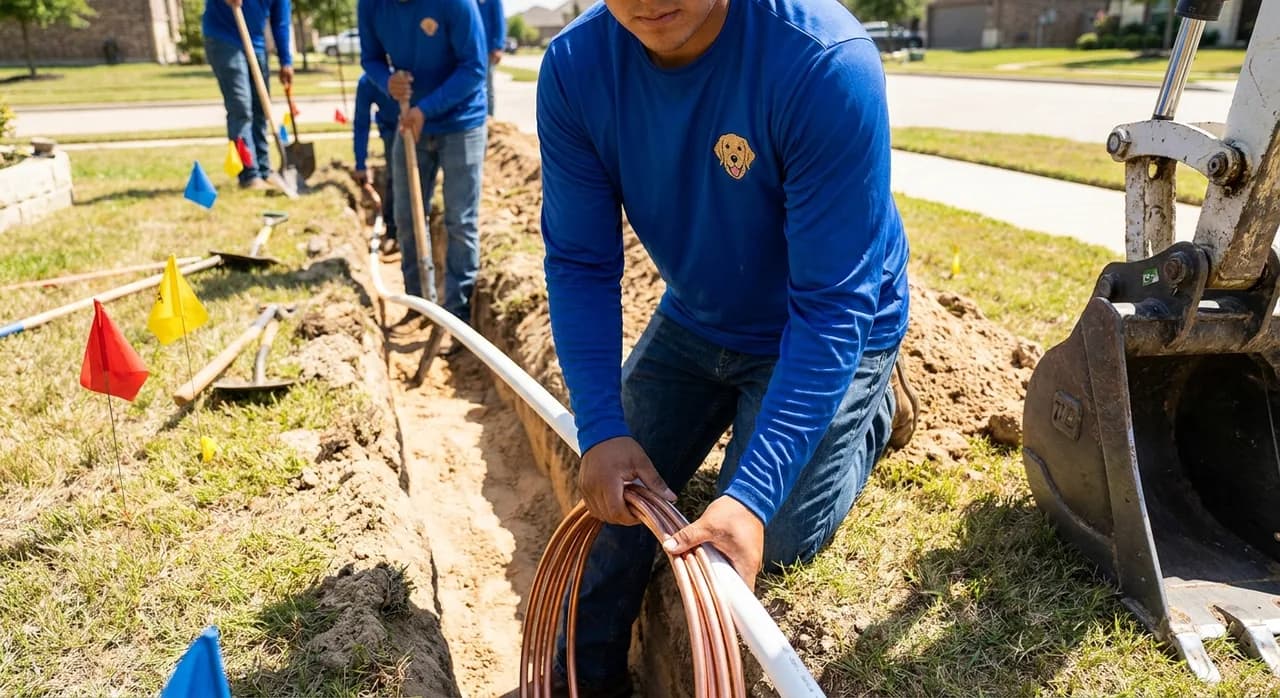
We review plans against published city or TXDOT details, flag conflicts, locate utilities, and lay out with rotary lasers or GPS rover for elevation and grade. ADA-critical points are confirmed in writing.
- 2
Excavation and Base
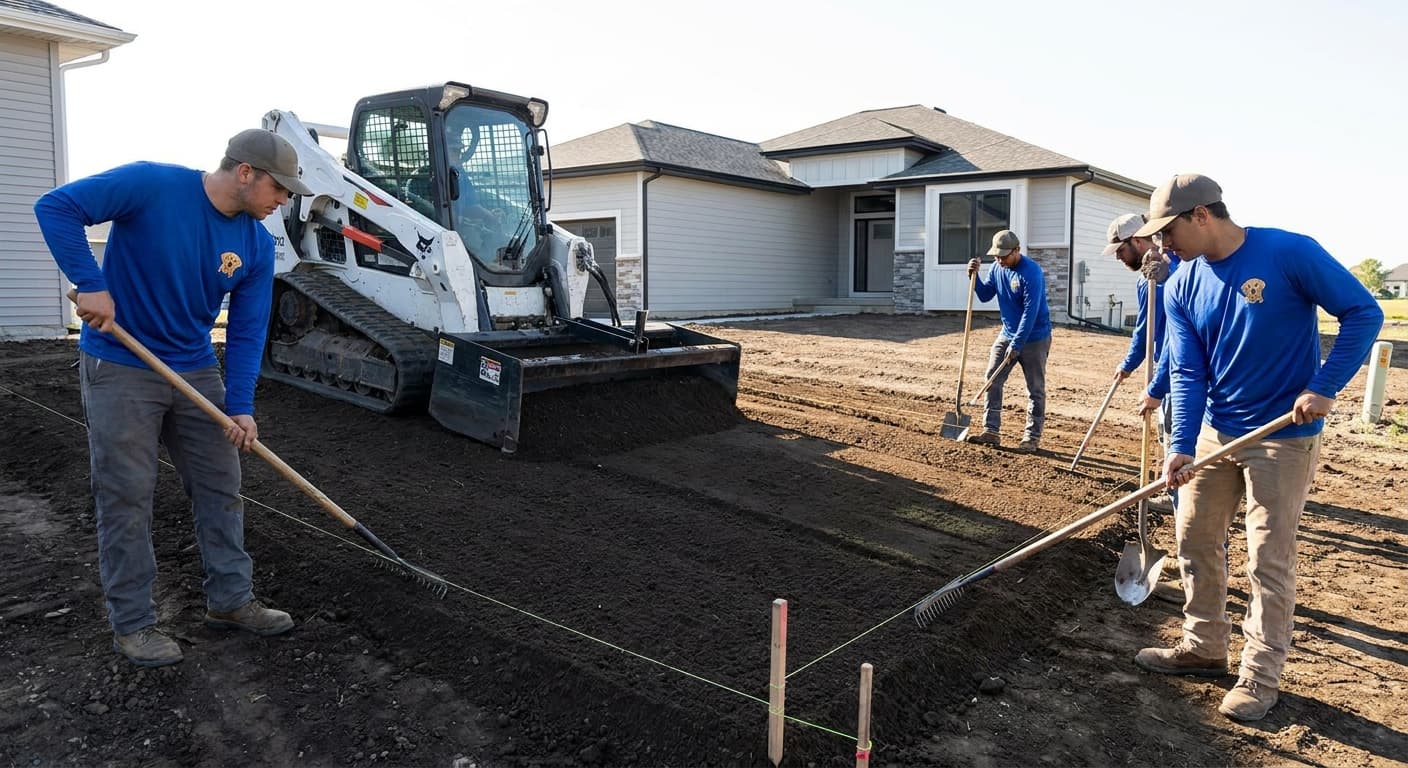
Sub-grade is excavated to design elevation, soft material is replaced with select fill compacted in 8-inch lifts to 95 percent Proctor, geo-fabric is laid where specified, and 4–6 inches of crushed base is compacted to tolerance.
- 3
Forming and Reinforcement
Steel or wood forms are set true to grade and slope. Rebar or welded wire mesh is tied to spec — #4 at 12 inches on dumpster pads, #4 at 18 inches on standard flatwork, dowels at all cold joints.
- 4
Pour, Test, and Finish
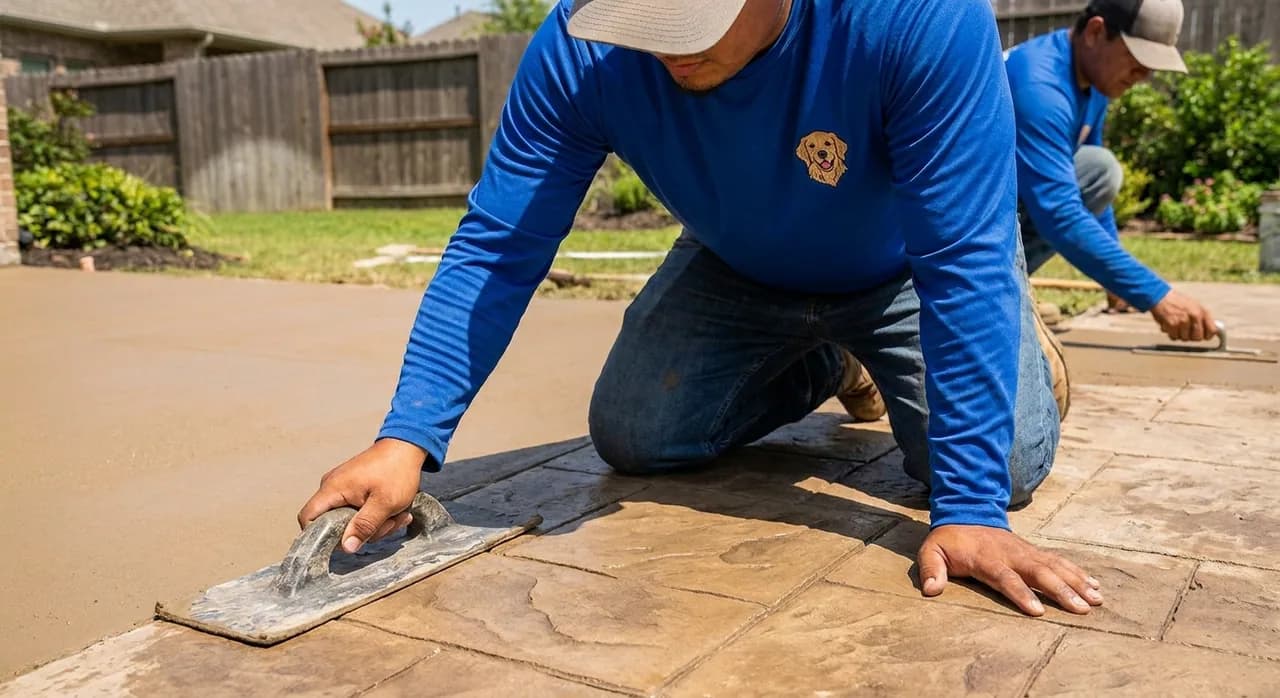
Concrete is placed, screeded with vibratory or roller screeds, bull-floated, and finished to the specified texture. Slump and air-content tests are documented for every truck on inspected projects.
- 5
Joints, Cure, and Inspection
Joints are saw-cut at 4–12 hours per spec. Curing compound is applied immediately. Detectable warning panels are set in fresh concrete or epoxy-embedded after cure. Final inspection is scheduled at the 7-day mark.
Frequently asked questions
Do you handle ADA-compliant ramps?
Yes — every commercial project we pour includes ADA-compliant curb ramps, landings, and approaches built to the 2010 ADA Standards and the most current Texas Accessibility Standards. We set running slope between 1:12 and 1:20, cross-slope under 1:48, and install detectable warning panels at every gutter line.
What's the lead time on a commercial flatwork project?
Small projects (single sidewalk run, one dumpster pad) we mobilize within 1–2 weeks. Larger scopes with engineered base, permitting, and inspection coordination run 3–6 weeks from contract to mobilization depending on plan-review timeline at the AHJ.
Do you provide slump and air testing?
On any project that requires it — typically commercial, municipal, or TXDOT — yes. We document slump, air content, and temperature on every load, and cast cylinders for 7- and 28-day break tests when called for in the spec. Test reports are submitted with closeout documentation.
How do you handle tying into existing curb or sidewalk?
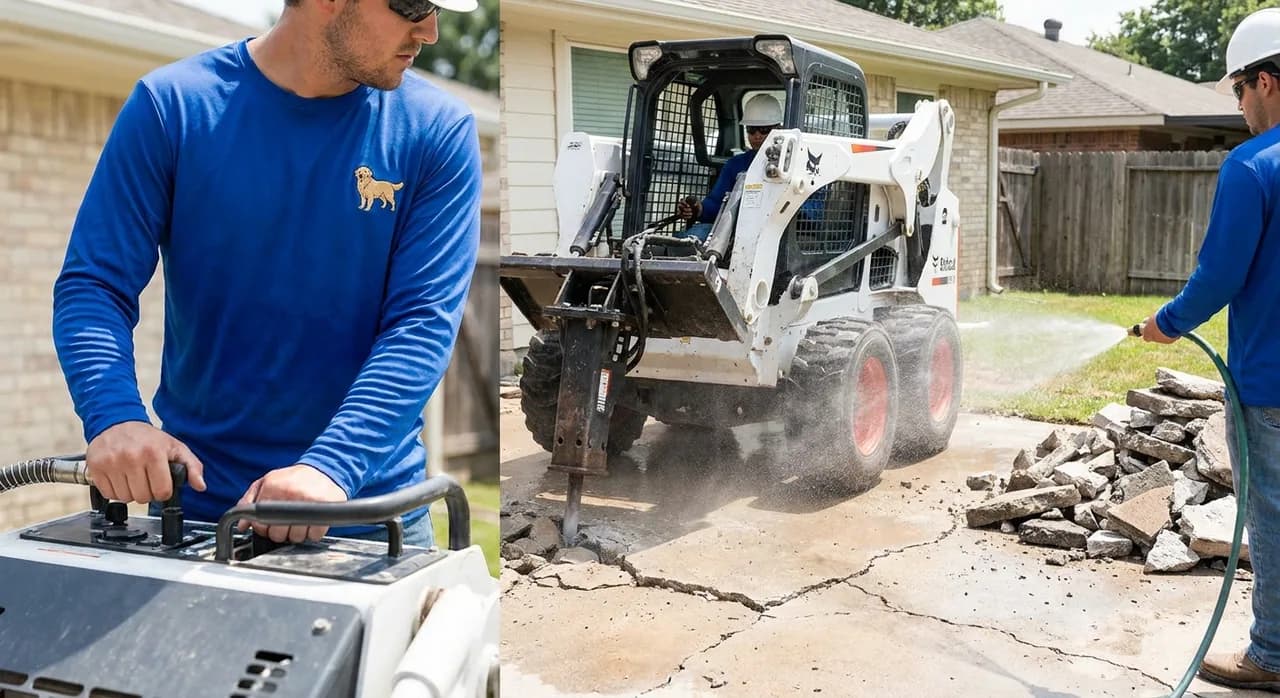
We saw-cut the existing concrete at a clean joint, drill and epoxy #4 dowels into the existing edge on 12-inch centers, place expansion joint material between the pours, and match elevation and finish. The dowels keep the new slab from settling differentially against the old one.
Can you pour during the summer heat?
Yes — we follow ACI 305 hot-weather protocols. Pours start at sunrise, mix is ordered with retarder and iced water when concrete temperature would exceed 90°F, fog spray keeps the surface from flash-setting, and white-pigmented curing compound goes down immediately to reflect heat. We don't pour through the afternoon in July.
Why hire us for concrete flatwork
In-house crew
Design, build, irrigation, and maintenance all run under one roof — no subbing out, no juggling vendors. You get one project manager from sketch through final walk-through.
San Antonio specialists
Built for South-Central Texas — heavy clay, caliche, long dry summers, and flash rain. Our designs and installs are tuned to what survives and looks good locally.
Clear pricing
No surprise line items. We size the work after a quick conversation or site visit and issue a written quote with materials and labor broken out so you can compare apples to apples.